
A brief history of the rise, fall of Sri Lanka's president
Jul 12, 2022
Before he fled Sri Lanka on Wednesday, President Gotabaya Rajapaksa was the last of six members of the country’s most influential family still clinging to power
COLOMBO, Sri Lanka (AP) — Before he fled Sri Lanka on Wednesday amid a crushing economic crisis, President Gotabaya Rajapaksa was the last of six members of the country's most influential family still clinging to power.
Rajapaksa, his wife and two bodyguards flew to the city of Male, the capital of the Maldives, according to an immigration official who spoke on the condition of anonymity because of the sensitivity of the situation.
His departure comes four days after massive crowds broke into his official residence and occupied his seaside office, and he pledged to leave the country. Protesters also stormed the residence of Prime Minister Ranil Wickremesinghe, who has said he will leave once a new government is in place.
Here is a closer look at the rise and fall of Rajapaksa:
__
A FAMILY AFFAIR
For decades, the powerful land-owning Rajapaksa family had dominated local politics in their rural southern district before Mahinda Rajapaksa was elected president in 2005. Appealing to the nationalist sentiment of the island’s Buddhist-Sinhalese majority, he led Sri Lanka into a triumphant victory over ethnic Tamil rebels in 2009, ending a 26-year brutal civil war that had divided the country. His younger brother, Gotabaya, was a powerful official and military strategist in the Ministry of Defense.
Mahinda remained in office until 2015, when he lost to the opposition led by his former aide. But the family made a comeback in 2019, when Gotabaya won the presidential election on a promise to restore security in the wake of the Easter Sunday terrorist suicide bombings that killed 290 people.
He vowed to bring back the muscular nationalism that had made his family popular with the Buddhist majority, and to lead the country out of an economic slump with a message of stability and development.
Instead, he made a series of fatal mistakes that ushered in an unprecedented crisis.
TAX CUTS DRAIN GOVERNMENT FUNDS
As tourism plunged in the wake of the bombings and foreign loans on controversial development projects — including a port and an airport in the president’s home region — needed to be repaid, Rajapaksa didn't listen to economic advisers and pushed through the largest tax cuts in the country’s history. It was meant to spur spending, but critics warned it would slash the government’s finances. Pandemic lockdowns and an ill-advised ban on chemical fertilizers further hurt the fragile economy.
The country soon ran out of money and couldn’t repay its huge debts. Shortages of food, cooking gas, fuel and medicine stoked public anger at what many saw as mismanagement, corruption and nepotism.
THE END BEGINS
The family’s unravelling began in April, when growing protests forced three Rajapaksa relatives, including the finance minister, to quit their Cabinet posts and another to leave his ministerial job. In May, government supporters attacked protesters in a wave of violence that left nine dead. The anger of the protesters turned against Mahinda Rajapaksa, who was pressured to resign as prime minister and took refuge on a heavily fortified naval base.
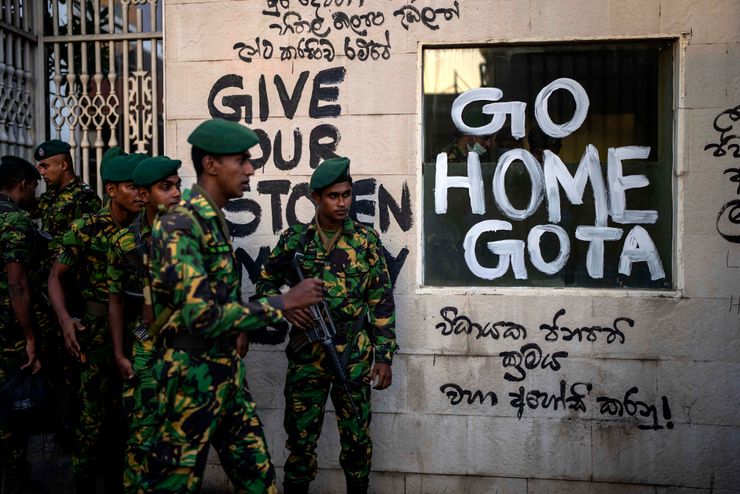
But Gotabaya refused to go, triggering chants in the streets of “Gota Go Home!” Instead, he saw his savior in Wickremesinghe, a seasoned opposition politician who he brought in to steer the country out of the abyss. Ultimately, however, Wickremesinghe lacked the political heft and public support needed to get the job done.
___
Associated Press journalist Krishan Francis contributed to this story.
More News

Why Bad News in the Bond Market May Be Good News for Investors
In the contrarian logic of investing, rising interest rates have made bonds much more attractive, our columnist says.

U.S. Budget Deficit Nears $2 Trillion, a Reality Check for Trump’s Cost Cutting
Higher interest rates are inflating borrowing costs as the Trump administration spends on the Iran war and tariff refunds.

Indonesian Stocks Plunge as MSCI Threatens to Drop Market from Indexes
The potential downgrade by MSCI, an influential index provider, adds to a deepening crisis of investor confidence in the economic policies of President Prabowo Subianto.

Warsh Vows to Tame Inflation as A.I. Delivers ‘Shock’ to Economy
The Federal Reserve chairman stuck to his pledge to avoid providing guidance about the path forward for interest rates, but did nothing to convey an urgency to raise them later this month.

Watch: Did Tesla really just unveil a flying car?
Tesla CEO Elon Musk showcased the vehicle at a facility owned by his SpaceX company, which helped develop the model.

When Will the Fed Move on Rates?
Kevin Warsh, the central bank’s chairman, suggested he wouldn’t push to raise borrowing rates this month. But persistent inflation may force the Fed’s hand.

Banks expect to be hit with higher taxes in Budget
Senior banking executives have told the BBC they expect to be "on the menu" in the chancellor's Budget tax later this month.

Feel Like You’re Overpaying for Hotels? Blame Expedia, a New Lawsuit Says.
The booking giant is accused of breaking federal antitrust laws and forcing millions of customers to overspend on stays by as much as 30 percent.

Tesla Debuts 2026 Roadster ‘Flying’ Electric Sports Car
Elon Musk’s company and other automakers, like Jaguar and Bentley, are trying to sell very expensive electric cars to people who usually prefer gasoline-fueled luxury and performance.

Trump Hasn’t Lowered Drug Prices for These Voters
President Trump has been promoting his efforts to reduce drug prices, but many Americans have not seen relief from rising costs for prescriptions and insurance premiums.

Fuel costs squeezing margins for some businesses
Diesel recently topped £2 per litre and there is concern that a duty freeze will not go far enough.

'TV and cheap booze' blamed for landlord quitting
Lincolnshire has lost 27% of its pubs and bars since 2009 and some are calling on the government to act against cheap supermarket booze.