
AP FACT CHECK: Trump's theory about Iran's collapse
May 25, 2017
AP FACT CHECK: Trump's theory that Iran was 6 months from ruin before nuclear deal
WASHINGTON — President Donald Trump asserted this week that Iran was six months from ruin before its economy was saved by the nuclear deal with the West. That scenario, though, does not fit with the circumstances of that time.
Here's a look at Trump's statement on the 2015 deal that eased economic sanctions in return for a freeze on Iranian nuclear development:
TRUMP, on why the U.S. under President Barack Obama should not have agreed to the deal: "I think they would have failed, totally failed within six months. We gave them a lifeline and we not only gave them a lifeline, we gave them wealth and prosperity. And we also gave them an ability to continue with terror and with all of the things they've been doing." — Statement in Jerusalem on Monday, standing with Israeli Prime Minister Benjamin Netanyahu.
THE FACTS: What would have happened absent the deal is impossible to say, but such an imminent collapse of Iran's economy was highly improbable.
International sanctions on Iran in response to its nuclear program had indeed driven its economy into crisis earlier this decade. But even before the nuclear deal, Iran had cut budget expenditures and fixed its balance of payments. It was still exporting oil and importing products from countries such as Japan and China.
International economists as well as U.S. officials did not foresee an imminent economic collapse, though Trump theoretically could be citing a classified or otherwise non-public assessment.
"There is no evidence to suggest that the Islamic Republic would have fallen within six months," said Karim Sadjadpour, an Iran expert at the Carnegie Endowment for International Peace.
Patrick Clawson, who heads the Washington Institute for Near East Policy's Iran program, called Trump's claim an exaggeration. Iran's leaders worried about the potential for social unrest, but the economy was in a sustainable state. "I don't know what 'totally failed' means in terms of an economy," Clawson said.
The July 2015 multinational deal froze Iran's nuclear program in return for an end to a variety of oil, trade and financial sanctions on Tehran. Iran also regained access to frozen assets held abroad.
Nevertheless, Trump also exaggerates in suggesting the deal has made Iran prosper. While the government is buying planes from the likes of Airbus and Boeing, and wooing other big foreign companies, Iran is still struggling to attract international investment. A major theme of its recent presidential campaign was the lack of economic benefits that ordinary Iranians are seeing from the agreement.
Although Trump promised frequently in the presidential campaign to get the U.S. out of the deal, he has not done so.
___
Find all AP Fact Checks at http://apne.ws/2kbx8bd
More News

Burnham vows end to 'rip-off parking charges' under new rules
Penalties are seen as too harsh on motorists who are penalised for parking on private land.

Job vacancies fall as small firms cut back on recruitment
Small firms cite labour costs as a key factor in scaling back hiring, the Office for National Statistics says.

Chancellor rejects calls to raise Capital Gains Tax in Budget
Influential Labour figures had been pushing for equalising CGT and income tax, but critics have said this could drive wealthy people out of Britain.

Food aid charity under pressure from fuel costs
FareShare South West says fuel costs are putting immense pressure on work helping thousands in need.

How is the US economy really doing under President Trump?
Ahead of the midterms Trump has boasted about the performance of the US economy. BBC Verify looks at inflation, jobs and economic growth in the country.
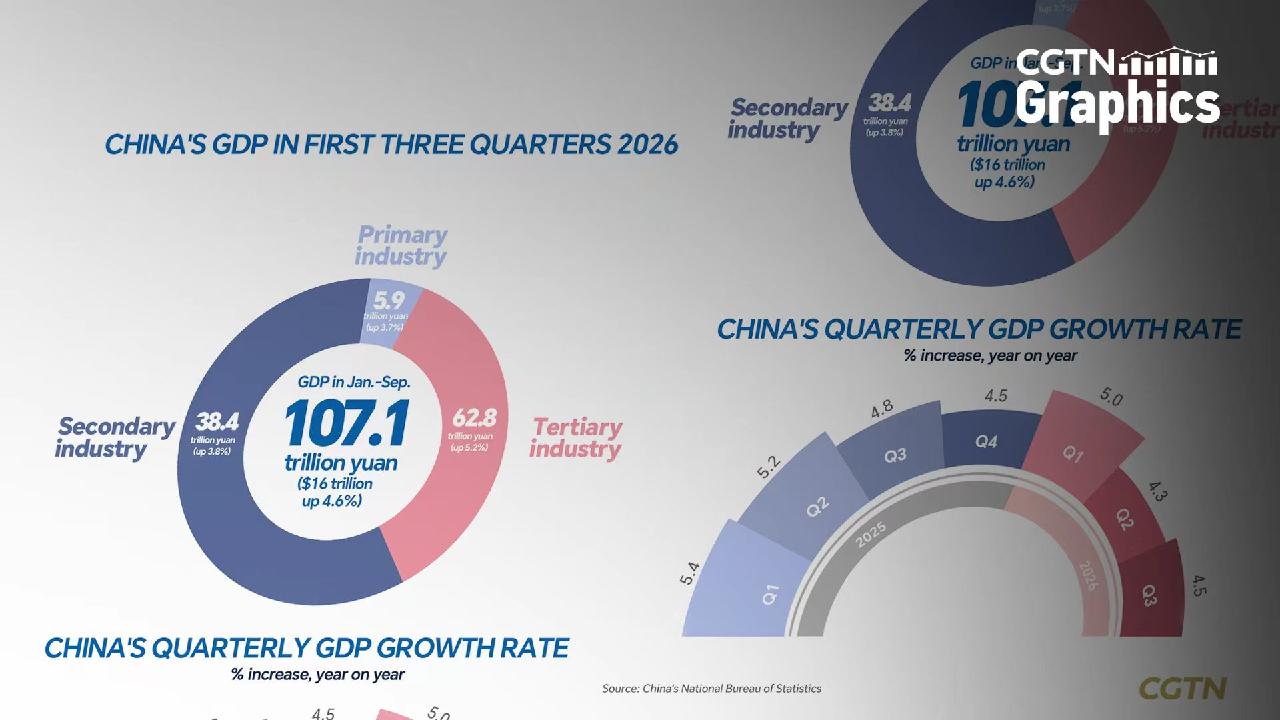
Graphics: China's economy picks up steam in Q3
Graphics: China's economy picks up steam in Q3

The VW Bus, Now Electrified, Keeps on Truckin’
A restored version of Volkswagen’s Flower Power-era Microbus, kitted out by Kindred Motorworks, is aiming for the affluent, while VW’s own E.V. is slow to get moving, much like its forebear.

'I'm fed up of swiping': Why singles now want to meet IRL
The BBC hears from people who think dating events are better value for money than dating apps.

‘A Ticking Time Bomb’: An Economic Crisis Looms in Indonesia
Once a model of economic stability, Indonesia now faces growing hardship at home as President Prabowo Subianto’s policies shake investor confidence.

Black Unemployment Hints at a Job Market in Worse Shape Than It Seems
The Black unemployment rate climbed a percentage point to 7 percent in September, almost double the rate for white workers.

Elon Musk Says He Will Give a SpaceX Share to ‘Every Kid in America’
Anthropic, an A.I. rival to SpaceX, earlier said it would form a “public benefit fund” and other tech moguls have contributed to savings accounts for children.

Christiane Amanpour Says She Is Leaving CNN After 43 Years
The chief international anchor, one of the most famous names in broadcast news, started as an assistant at the network in 1983.