
Bank of Japan ups rates to 31-year high
The Bank of Japan raised interest rates to a 31-year high on Friday and signalled its readiness to keep pushing up borrowing costs, joining other major central banks in fighting persistent inflation pressures driven by soaring oil costs. The widely expected move, which was the first hike in three months, takes interest rates closer to levels the central bank deems neutral to the economy, marking another step away from decades of ultra-low rates that cemented the yen's status as a cheap global funding currency. It follows rate hikes by its European and US peers, highlighting central bank's focus on global inflation risks caused by the Iran war-induced energy cost spike, expansionary fiscal policies and surging demand for AI investment. At the two-day meeting ending on Friday, the bank raised its policy rate to 1.25 percent from one percent by a 7-2 vote. Doveish board members Toichiro Asada and Ayano Sato were the dissenters. "Wholesale inflation remains elevated and price pressures from business-to-business trading has started to spill over into consumer prices," the bank said in a statement announcing the decision. "Underlying inflation has been approaching two percent" as companies continue to pass on the cost of higher wages and inflation expectations keep heightening, it said. While...
Read full articleMore News

Charities and businesses wrestle with diesel cost
Cancer charity Daft as a Brush and Teesside Minibus Hire say they are struggling with pump prices.

Justice Dept. Is Investigating TV Networks Over Trump Pool Coverage
Major TV networks were notified on Friday that the department was examining whether they violated antitrust laws when they suspended pool coverage of President Trump.

Clara Wu Tsai, the Billionaire Who Wants Brooklyn to Win
Clara Wu Tsai, a co-owner of the Liberty and Nets, split from her husband of 30 years. Now she is turning her attention to leaving her mark on the borough.

China, EU talks show scope for cooperation despite disputes: expert
China and the European Union have the potential to deepen economic and trade cooperation by addressing their differences through negotiations and providing businesses with a more stable and predictable environment, a Chinese trade expert told CGTN on Saturday, following the two sides' latest trade talks in Beijing.

Trump announces deal for Russian diesel as Zelensky calls it a gift to Putin
Ukraine's president sharply criticised the move, calling it an "investment in war that must be ended, not prolonged".
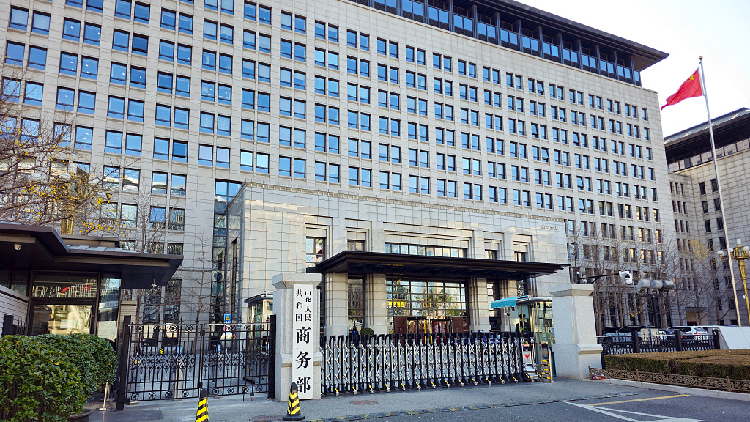
CGTN Poll: Pragmatic dialogue matters more as protectionism rises
China and the European Union (EU) have agreed to maintain stable bilateral economic and trade ties and make them more balanced as they concluded the second meeting of their trade and investment consultation mechanism in Beijing. The CGTN survey finds that 87.2% of the respondents agree that China and Europe have deeply intertwined industrial and supply chains, and that cooperation is what delivers opportunities and growth.
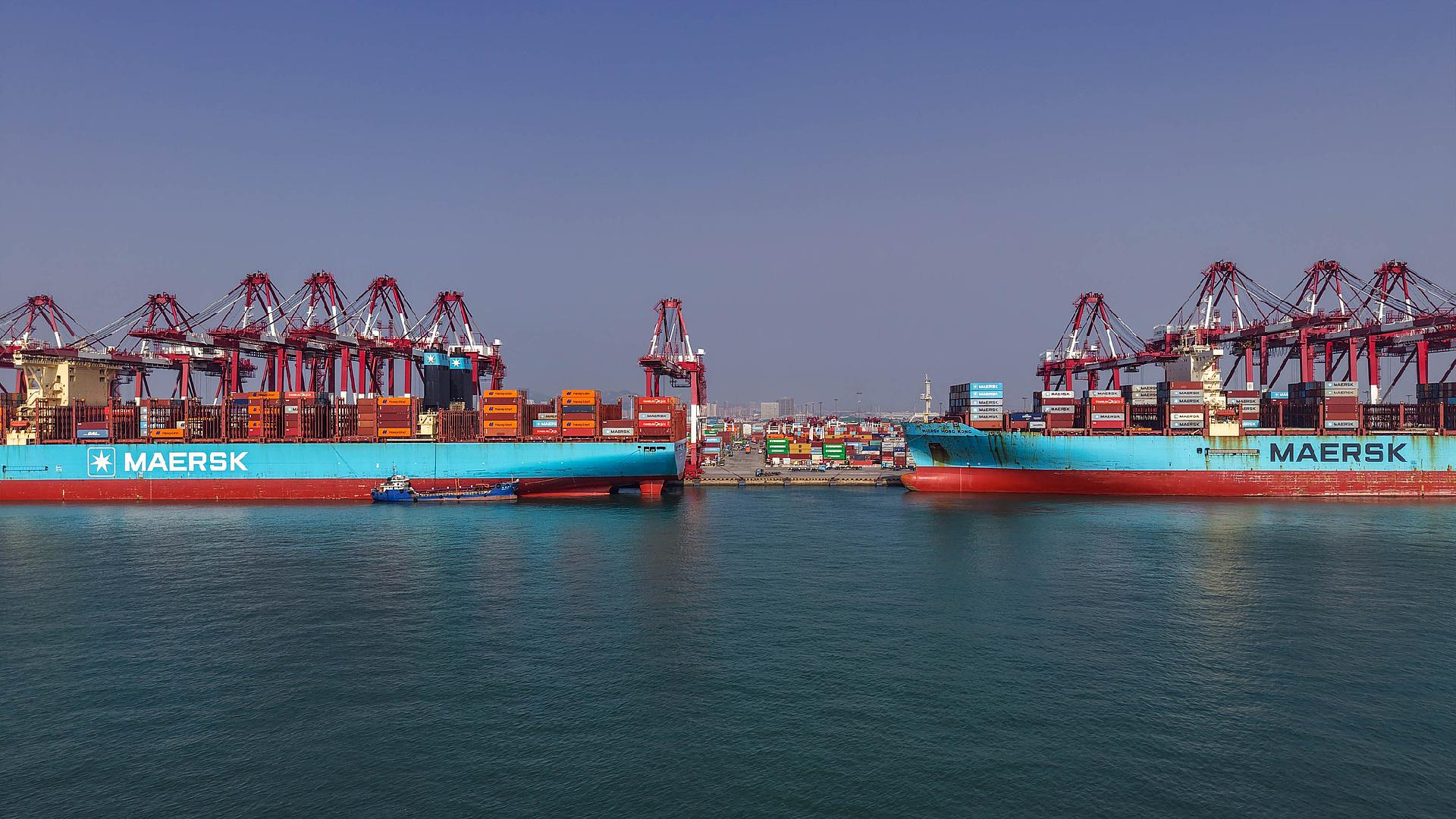
Explained: Outcomes of the China-EU trade and investment meeting
Chinese Minister of Commerce Wang Wentao and European Commissioner for Trade and Economic Security Maros Sefcovic jointly chaired the second meeting of the China-EU Trade and Investment Consultation Mechanism from Thursday to Friday in Beijing.

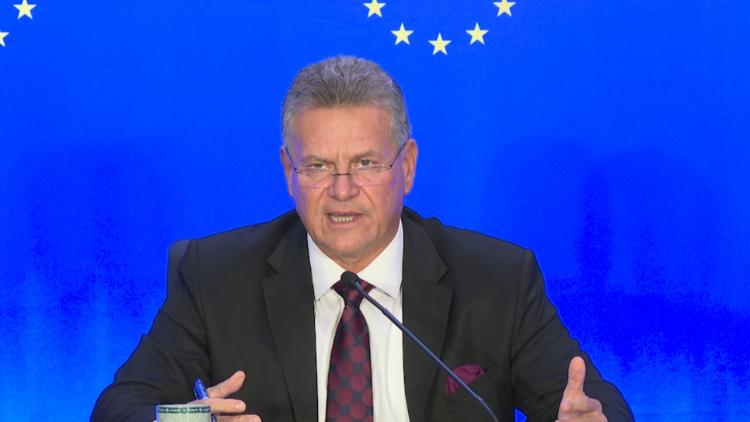
EU trade commissioner briefs media on outcomes of talks with China
EU trade commissioner briefs media on outcomes of talks with China

China's real estate market transitions into new era
As China's real estate market pivots from new development to the operation of existing properties, the country is entering an era defined by its housing stock.

China vows more proactive fiscal policy to expand domestic demand
China's Ministry of Finance has pledged to implement a more proactive fiscal policy in a forceful and effective manner.