
China factory activity shrinks for the first time in 2 years
Dec 31, 2018
China factory activity falls amid tariff fight, economic downturn
BEIJING — China's factory activity shrank in December for the first time in more than two years, an official survey showed Monday, intensifying pressure on Beijing to reverse an economic slowdown as it enters trade talks with the Trump administration.
The purchasing managers' index of the National Bureau of Statistics and an industry group, the China Federation of Logistics & Purchasing, fell to 49.4 from November's 50.0 on a 100-point scale. Any reading below 50 shows that activity is contracting. The December figure was the lowest since February 2016 and the first drop since July 2016.
In the quarter that ended in September, China's economic growth sank to a post-global crisis low of 6.5 percent compared with a year earlier. The slowdown occurred despite government efforts to stem the downturn by ordering banks to lend more and by boosting spending on public works construction.
Forecasters expect annual growth of about 6.5 percent, down slightly from 2017's 6.7 percent. But some industry segments, including auto and real estate sales, have suffered more serious declines.
"Downward pressure on the economy is still large," economist Zhang Liqun said in a statement issued with the PMI.
Overall orders and exports both contracted, indicating that Chinese factories are suffering from weak demand at home and abroad. Exports to the United States kept growing at double-digit monthly rates through late 2018 despite President Donald Trump's punitive tariffs. But growth in exports to the rest of the world fell sharply in November and forecasters expect American demand to weaken in early 2019.
That adds to complications for Chinese leaders who are trying to reverse a broad economic slowdown and avert politically dangerous job losses.
Chinese and U.S. envoys are due to meet in early January for negotiations that are intended to resolve their economically threatening trade war. Over the weekend, Trump sounded an optimistic note, tweeting that he had spoken with President Xi Jinping by phone.
"Deal is moving along very well," Trump tweeted. "If made, it will be very comprehensive, covering all subjects, areas and points of dispute. Big progress being made!"
But economists say the 90-day moratorium on new penalties that was agreed to by Trump and Xi on Dec. 1 is likely too little time to resolve their sprawling dispute.
Chinese economic activity already was weakening after Beijing tightened controls on bank lending in late 2017 to cool a debt boom. The downturn was more abrupt than expected, which prompted regulators to shift course and ease credit controls. But they moved gradually to avoid reigniting a rise in debt. Their measures have yet to put a floor under declining growth.
Chinese leaders promised at an annual economic planning meeting in mid-December to shore up growth with tax cuts, easier lending for entrepreneurs and other steps.
More News

Trump Offers Putin Economic Relief in Hopes That Russia Will Return the Favor
The Trump administration is ignoring the will of Congress and waiving new Russia sanctions amid fears that high energy prices will cost Republicans in next month’s elections.

How day of protests unfolded as disorder breaks out across France
Demonstrations across the country turned violent, with cars and buildings set alight and shops ransacked.

M.L.B. Playoff Ads With Sydney Sweeney and Megan Fox Draw Backlash
Commercials promoting a gambling platform and endorsing male enhancement have rankled fans, and even athletes. Who is in charge?

Weak Links Start to Show in A.I. Borrowing
Debt trouble at CoreWeave, Oracle and SoftBank raises questions about whether there are broader problems with the data center build-out.

The Reporter Who Exposed Elizabeth Holmes on Nathan Fielder’s Documentary
Ms. Holmes handed the makers of “You Can See Everything” — and the rest of the world — a microscope with which to observe and dissect her lies.

Can Cereal Be Healthy? Big Companies Are Trying.
As more Americans turn away from the snap, crackle and sugar, the industry is trying to capitalize on our current obsession with wellness.

Low-cost clinic helps pet owners with vet bills
RSPCA Medway West launches its clinic for the pets of people with low incomes.

APEC 2026: 30 days to go until Shenzhen hosts world leaders
APEC 2026: 30 days to go until Shenzhen hosts world leaders
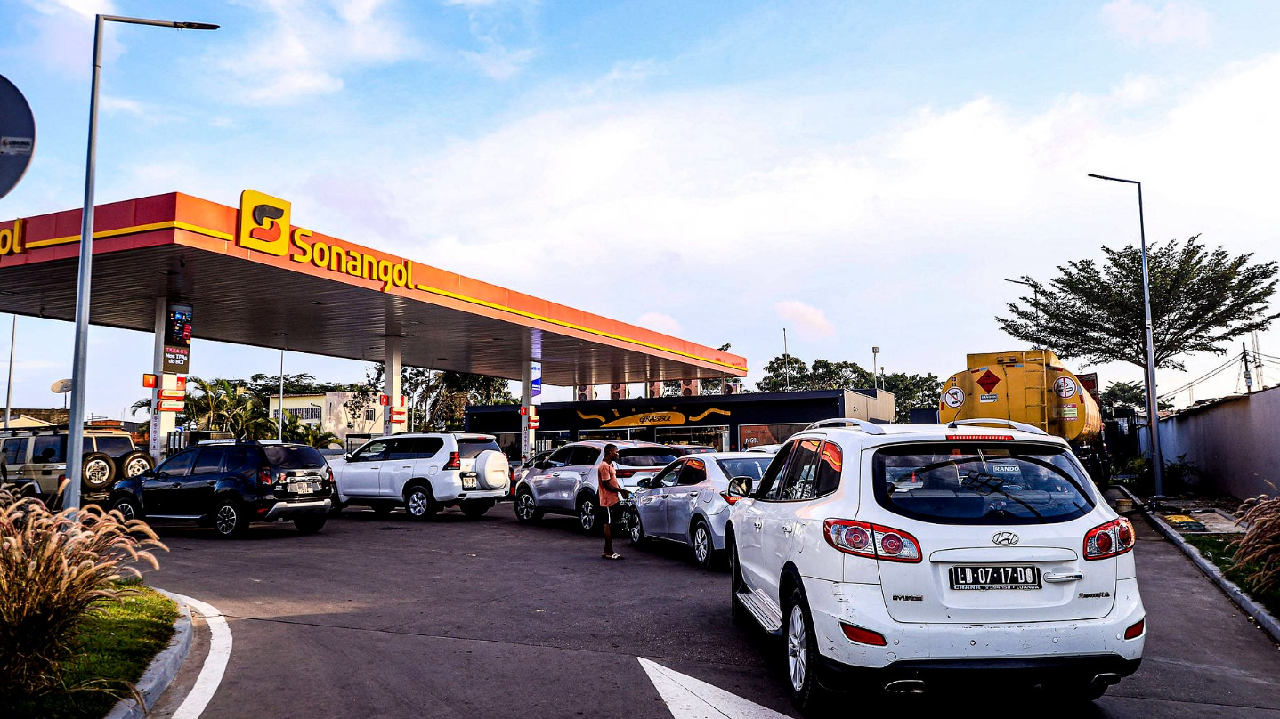
Angola's fuel subsidies spending projected to hit $4 billion in 2026
Angola could spend as much $4.16 billion on fuel subsidies this year, almost twice its initial projection, a senior finance official told Reuters on Friday.

States Are Stepping Up as the New Antitrust Enforcers
With the Trump administration taking a relaxed approach, attorneys general around the country have ramped up their scrutiny of mergers.

Corporate Tax Revenue Falls Even as Profits Soar Under Trump
The annual decline was about $70 billion. Companies are writing off billions in A.I. investments, taking advantage of tax cuts that President Trump signed into law.

It’s Time to Shop Medicare, and This Year, It’s Extra Important
Be sure to read your mail this fall — big changes to prescription drug plans and Medicare Advantage provider networks are coming, and could cost you more.