
Credit Suisse bans trading of Venezuelan bonds
Aug 10, 2017
Credit Suisse is banning the trading and use of Venezuelan bonds, as the constitutional crisis in the South American country continues to escalate
NEW YORK — Credit Suisse has banned the trading and use of Venezuelan bonds, as the political and financial crisis in the South American country escalates.
The bank will no longer trade, nor accept as collateral, two specific types of Venezuelan securities as well as any bonds the country issued from June 1 going forward, according to a company spokeswoman who was not authorized to give her name. Further, any businesses who wish to do business with Venezuela and deal in any assets there will have to go through additional screening.
The ban comes as the U.S. considers a range of economic sanctions against the government of President Nicolas Maduro, who is facing mounting international criticism over a crackdown on opponents and moves to consolidate power. In the memo, the bank cited "recent developments and the political climate" in the country for the ban.
The Trump administration has sanctioned 30 government officials or loyalists since April, including Maduro himself.
Venezuela in the midst of a severe economic downturn caused by poor government policies and low oil prices. The country's bonds are one of the few ways the current government is able to raise money to support its collapsing economy.
But as the country's political crisis has worsened, the bonds issued by the government as well as the state-owned oil company PDVSA have become a point of contention and concern for investors who increasingly worry they are supporting an oppressive regime as well as a country that is a great risk of defaulting on its debts. Goldman Sachs came under political pressure earlier this year for buying a reported $2.8 billion in Venezuelan bonds on the open market at a significant discount.
National Assembly President Julio Borges, leader of the country's opposition, has sent more than a dozen letters to leading global banks warning them of the risk to their reputations and bottom line if they throw a lifeline to Maduro. Borges also threatened not to recognize any bonds issued by Maduro's government if the opposition were to come back into power.
The country has debt payments coming due this year of around $6 billion and is estimated only to have $10 billion in cash remaining, largely tied up in gold bars.
The Trump administration has not ruled out the possibility of banning oil Venezuelan oil imports, a step that would deprive the country of its main source of hard currency and could hasten a debt default. Other options on the table include a ban on exports of light U.S. crude that Venezuela depends on to process its oil. That could also raise the risk of default by significantly reducing Venezuela's oil production.
____
AP reporter Joshua Goodman contributed to this report from Caracas.
More News

Burnham vows end to 'rip-off parking charges' under new rules
Penalties are seen as too harsh on motorists who are penalised for parking on private land.

Job vacancies fall as small firms cut back on recruitment
Small firms cite labour costs as a key factor in scaling back hiring, the Office for National Statistics says.

Chancellor rejects calls to raise Capital Gains Tax in Budget
Influential Labour figures had been pushing for equalising CGT and income tax, but critics have said this could drive wealthy people out of Britain.

Food aid charity under pressure from fuel costs
FareShare South West says fuel costs are putting immense pressure on work helping thousands in need.

How is the US economy really doing under President Trump?
Ahead of the midterms Trump has boasted about the performance of the US economy. BBC Verify looks at inflation, jobs and economic growth in the country.
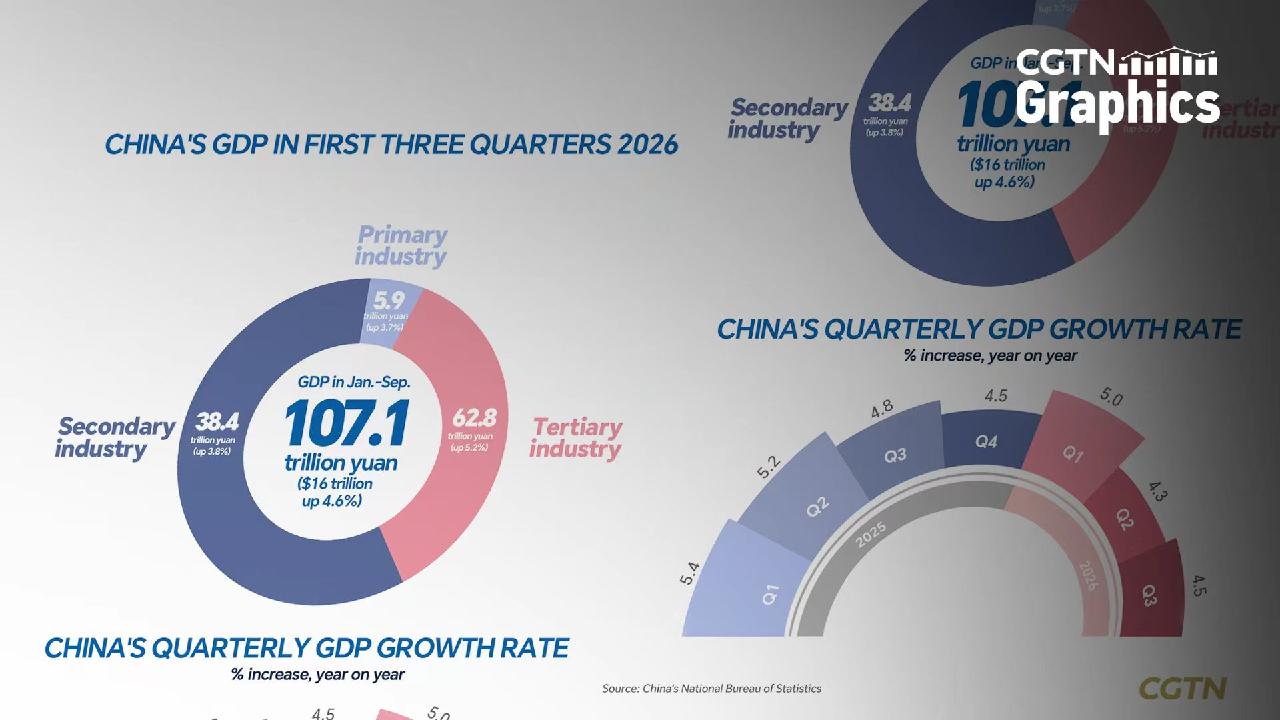
Graphics: China's economy picks up steam in Q3
Graphics: China's economy picks up steam in Q3

The VW Bus, Now Electrified, Keeps on Truckin’
A restored version of Volkswagen’s Flower Power-era Microbus, kitted out by Kindred Motorworks, is aiming for the affluent, while VW’s own E.V. is slow to get moving, much like its forebear.

'I'm fed up of swiping': Why singles now want to meet IRL
The BBC hears from people who think dating events are better value for money than dating apps.

‘A Ticking Time Bomb’: An Economic Crisis Looms in Indonesia
Once a model of economic stability, Indonesia now faces growing hardship at home as President Prabowo Subianto’s policies shake investor confidence.

Black Unemployment Hints at a Job Market in Worse Shape Than It Seems
The Black unemployment rate climbed a percentage point to 7 percent in September, almost double the rate for white workers.

Elon Musk Says He Will Give a SpaceX Share to ‘Every Kid in America’
Anthropic, an A.I. rival to SpaceX, earlier said it would form a “public benefit fund” and other tech moguls have contributed to savings accounts for children.

Christiane Amanpour Says She Is Leaving CNN After 43 Years
The chief international anchor, one of the most famous names in broadcast news, started as an assistant at the network in 1983.