
EU leaders tackle inflation, energy shocks from Russia's war
Jun 24, 2022
European Union leaders are discussing their response to the severe economic turbulence looming over the coming months as the full impact of Russia’s war sinks in and the threat of recession rises
BRUSSELS (AP) — A day after endorsing Ukraine's candidacy to join the European Union, the bloc's leaders turned their attention Friday to the severe economic turbulence looming over the coming months as the full impact of Russia’s war sinks in and the threat of recession rises.
The EU's 27 leaders gathered in Brussels to grapple with surging inflation, energy shocks, dwindling business and consumer confidence, and growing budget pressures.
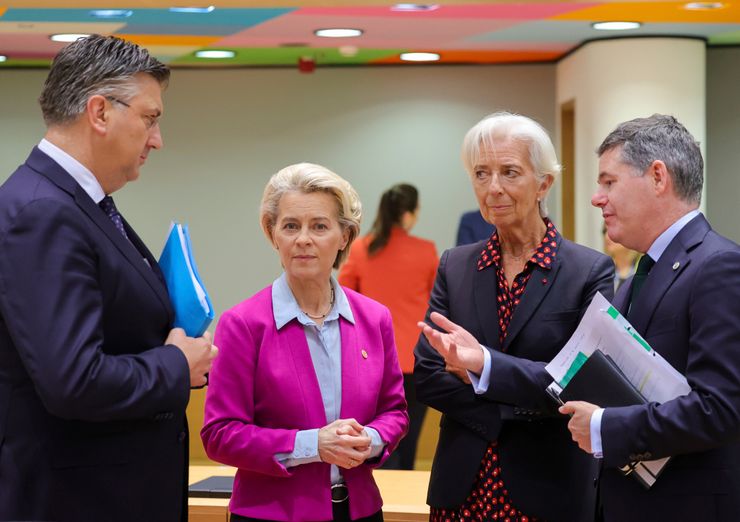
The leaders also will have to contend with higher borrowing costs as the European Central Bank prepares to raise interest rates for the first time in 11 years to counter runaway price increases. ECB President Christine Lagarde, who plans to raise rates next month and again in September, joined the EU summit to discuss the darkening economic outlook.
“We are in a difficult situation,” Swedish Prime Minister Magdalena Andersson said on her way into the summit. “It’s very important that we have this discussion.”
The EU has spent the previous decade battling a series of crises, ranging from Greece’s financial woes and transatlantic trade disruptions under former U.S. President Donald Trump to Britain’s departure from the bloc and the COVID-19 pandemic.
Now, with no end in sight to the war in Ukraine and the EU committed to stepping up sanctions against Russia as punishment, the bloc must battle economic threats on multiple fronts.
Energy poses a major challenge for the EU, which for years has relied heavily on Russian oil, natural gas and coal to help power cars, factories, heating systems and electricity plants.
Under pressure to keep pace with American and British penalties against Russia, the EU since April has expanded what were already unprecedented sanctions by targeting Russian fuels. A ban on imports of Russian coal will start in August and an embargo on most oil from Russia will be phased in over the coming eight months.
Meanwhile, Moscow itself is disrupting natural gas deliveries, which the EU didn’t include in its own sanctions for fear of seriously harming the European economy. Before the war, the bloc got about 40% of its gas from Russia.
“It’s very likely that Russia will use gas and energy as a blackmail toward European Union countries,” Finnish Prime Minister Sanna Marin said. “Russia will use it as a tool, as a weapon against us, so we have to help each other.”
Moscow has reduced gas supplies to five EU countries, including heavy importers Germany and Italy, and cut off deliveries to six member states, such as Finland.
Germany on Thursday triggered the second phase of a three-stage emergency plan for gas supplies, saying the country faces a “crisis.” Weaknesses in Germany, Europe’s largest economy, risk having a broad spillover effect and making the EU’s latest economic growth forecasts look too rosy.
“The impact will be enormous for Germany but also for all the other European countries,” Belgian Premier Alexander De Croo said.
In May, the European Commission said the EU’s economic output would expand 2.7% this year and 2.3% in 2023 after 5.4% growth in 2021. Other forecasts have already downgraded growth prospects. As this year began, the bloc was still facing effects — including higher budget deficits — from the pandemic, which caused the economy to shrink 5.9% in 2020.
The ECB has pledged to create a market backstop to protect the 19 countries that share the euro currency from market turmoil as it tackles record inflation of 8.1%. A selloff in the bonds of some euro nations was a central feature of the debt crisis a decade ago.
“The next few months will be very difficult,” said European Parliament President Roberta Metsola, who attended the first day of the summit Thursday.
___
Follow the AP’s coverage of the war at https://apnews.com/hub/russia-ukraine
More News

Netflix Hurries to Rewrite Its Narrative With Layoffs and a Sudden Firing
Despite strong revenues and profits, the streaming service cut 1,000 jobs and jettisoned its chief content officer. Drops in the stock price and viewer engagement are to blame.

M.L.B. Playoff Ads With Sydney Sweeney and Megan Fox Draw Backlash
Commercials with Sydney Sweeney promoting a gambling platform and Megan Fox endorsing male enhancement have rankled fans, and even athletes. Who is in charge?

Why Bad News in the Bond Market May Be Good News for Investors
In the contrarian logic of investing, rising interest rates have made bonds much more attractive, our columnist says.

U.S. Budget Deficit Nears $2 Trillion, a Reality Check for Trump’s Cost Cutting
Higher interest rates are inflating borrowing costs as the Trump administration spends on the Iran war and tariff refunds.

Indonesian Stocks Plunge as MSCI Threatens to Drop Market from Indexes
The potential downgrade by MSCI, an influential index provider, adds to a deepening crisis of investor confidence in the economic policies of President Prabowo Subianto.

Warsh Vows to Tame Inflation as A.I. Delivers ‘Shock’ to Economy
The Federal Reserve chairman stuck to his pledge to avoid providing guidance about the path forward for interest rates, but did nothing to convey an urgency to raise them later this month.

Watch: Did Tesla really just unveil a flying car?
Tesla CEO Elon Musk showcased the vehicle at a facility owned by his SpaceX company, which helped develop the model.

When Will the Fed Move on Rates?
Kevin Warsh, the central bank’s chairman, suggested he wouldn’t push to raise borrowing rates this month. But persistent inflation may force the Fed’s hand.

Banks expect to be hit with higher taxes in Budget
Senior banking executives have told the BBC they expect to be "on the menu" in the chancellor's Budget tax later this month.

Feel Like You’re Overpaying for Hotels? Blame Expedia, a New Lawsuit Says.
The booking giant is accused of breaking federal antitrust laws and forcing millions of customers to overspend on stays by as much as 30 percent.

Tesla Debuts 2026 Roadster ‘Flying’ Electric Sports Car
Elon Musk’s company and other automakers, like Jaguar and Bentley, are trying to sell very expensive electric cars to people who usually prefer gasoline-fueled luxury and performance.

Trump Hasn’t Lowered Drug Prices for These Voters
President Trump has been promoting his efforts to reduce drug prices, but many Americans have not seen relief from rising costs for prescriptions and insurance premiums.