
Eurozone unemployment a bright spot amid growing gloom
Jan 9, 2019
Official figures show that unemployment across the 19-country eurozone fell in November to a decade-low rate of 7.9 percent but worries over the economic outlook have stoked concerns that it may not fall much lower
LONDON — Unemployment across the 19-country eurozone fell in November to a decade-low rate, official figures showed Wednesday, but worries over the economic outlook have stoked concerns it may not fall much lower, if at all.
Eurostat, the European Union's statistics agency, said a 90,000 monthly fall in the number out of work to 13.04 million reduced the overall rate to 7.9 percent from the previous month's 8 percent.
Unemployment across the eurozone has been falling steadily from a peak of 12.1 percent in 2013 as the region recovered from the global financial crisis. However, ongoing worries about the level of government debt in a number of countries kept unemployment high, such as Greece and Spain.
In recent days, evidence has been piling up that the eurozone recovery lost more momentum than anticipated at the end of 2018, particularly in Germany. And that could have an impact on businesses' hiring intentions. Unemployment is considered a lagging indicator in that it takes months for changes in the broader economy to feed through into the labor market.
Bert Colijn, a senior economist at ING, said the decline was a relief as "it indicates that uncertainty about the economic outlook and a slowing pace of growth has not caused employment growth to grind to a halt just yet."
Colijn said there are signs though that firms are "adjusting their employment needs downwards" and that could cause the unemployment decline "to slow again in the months ahead."
Much of the outlook hinges on Germany, Europe's biggest economy, which this week has suddenly, almost from nowhere, become a concern.
News that industrial production in Germany slumped by 1.9 percent in November has fueled concerns of a possible recession.
Since the German economy contracted by a quarterly rate of 0.2 percent in the third quarter of 2018 largely as a result of one-time factors related to new car emissions standards, another drop in the fourth-quarter drop would mean Germany will have entered a recession, defined as two straight quarters of negative output.
Still, unemployment remains super-low in Germany at 3.3 percent, in sharp contrast to the rates still seen in those economies that were at the forefront of the eurozone's debt crisis. Greece's unemployment rate, though sharply down from its peak, was still 18.6 percent in September.
There are other clouds beyond Germany hanging over the eurozone economy at the start of the new year.
France, the eurozone's No. 2 economy, is also facing difficulties. The country's statistics agency INSEE revealed Wednesday that consumer confidence plunged in December to a four-year low largely as a result of the yellow vest protests that brought much of France, but particularly Paris, to a near-standstill in the crucial Christmas trading period.
In addition, trade tensions between the U.S. and China have the potential to further weigh on a softer global economy while Britain's impending exit from the EU could be another negative hit particularly if the country crashes out of the bloc without a deal to smooth its transition to new trading arrangements.
More News

Trump Offers Putin Economic Relief in Hopes That Russia Will Return the Favor
The Trump administration is ignoring the will of Congress and waiving new Russia sanctions amid fears that high energy prices will cost Republicans in next month’s elections.

How day of protests unfolded as disorder breaks out across France
Demonstrations across the country turned violent, with cars and buildings set alight and shops ransacked.

M.L.B. Playoff Ads With Sydney Sweeney and Megan Fox Draw Backlash
Commercials promoting a gambling platform and endorsing male enhancement have rankled fans, and even athletes. Who is in charge?

Weak Links Start to Show in A.I. Borrowing
Debt trouble at CoreWeave, Oracle and SoftBank raises questions about whether there are broader problems with the data center build-out.

The Reporter Who Exposed Elizabeth Holmes on Nathan Fielder’s Documentary
Ms. Holmes handed the makers of “You Can See Everything” — and the rest of the world — a microscope with which to observe and dissect her lies.

Can Cereal Be Healthy? Big Companies Are Trying.
As more Americans turn away from the snap, crackle and sugar, the industry is trying to capitalize on our current obsession with wellness.

Low-cost clinic helps pet owners with vet bills
RSPCA Medway West launches its clinic for the pets of people with low incomes.

APEC 2026: 30 days to go until Shenzhen hosts world leaders
APEC 2026: 30 days to go until Shenzhen hosts world leaders
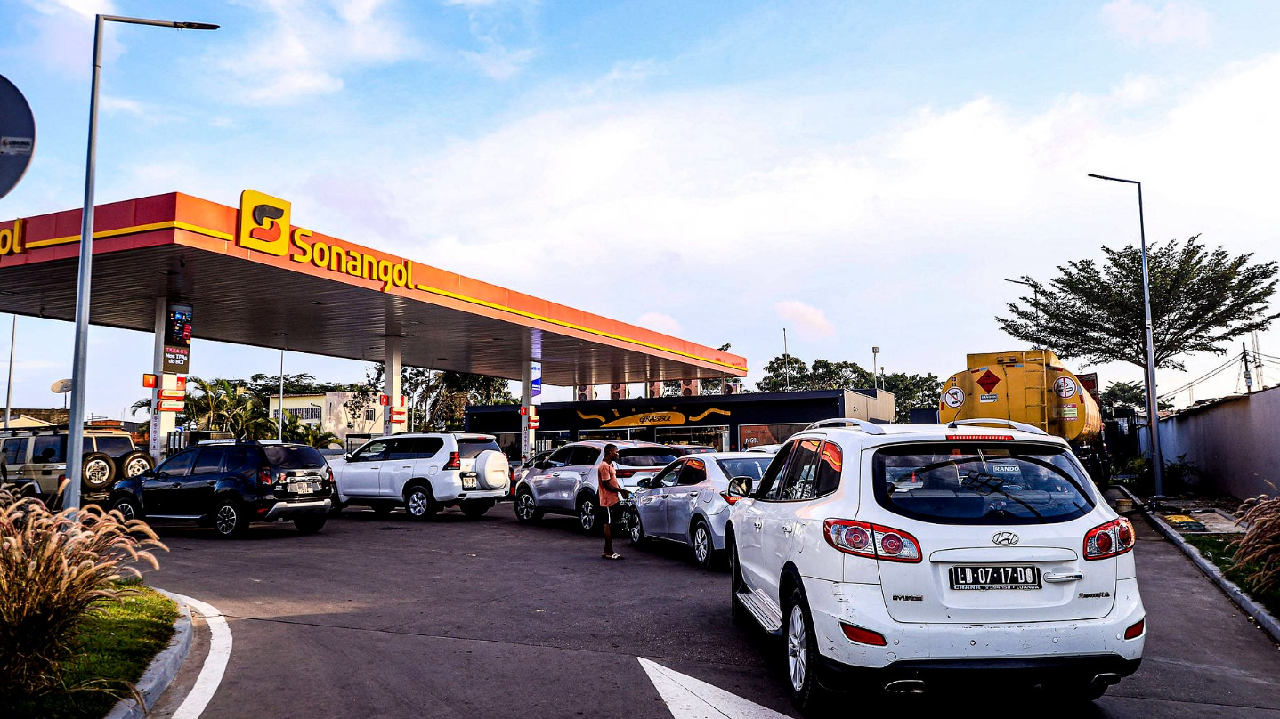
Angola's fuel subsidies spending projected to hit $4 billion in 2026
Angola could spend as much $4.16 billion on fuel subsidies this year, almost twice its initial projection, a senior finance official told Reuters on Friday.

States Are Stepping Up as the New Antitrust Enforcers
With the Trump administration taking a relaxed approach, attorneys general around the country have ramped up their scrutiny of mergers.

Corporate Tax Revenue Falls Even as Profits Soar Under Trump
The annual decline was about $70 billion. Companies are writing off billions in A.I. investments, taking advantage of tax cuts that President Trump signed into law.

It’s Time to Shop Medicare, and This Year, It’s Extra Important
Be sure to read your mail this fall — big changes to prescription drug plans and Medicare Advantage provider networks are coming, and could cost you more.