
Ex-judo star poised to win Mongolia presidential runoff
Jul 8, 2017
A populist business tycoon and former judo star is poised to take down the Mongolian ruling party's candidate in a runoff election for president
ULAANBAATAR, Mongolia — A populist business tycoon and former judo star is poised to take down the Mongolian ruling party's candidate in a runoff election for president.
Preliminary results Saturday after most of the polling stations were counted showed Khaltmaa Battulga of the Democratic Party was leading with 50.6 percent of the vote.
The Mongolian People's Party's Miyegombo Enkhbold secured 41.2 percent.
While the nation of 3 million had been an oasis of democratic stability since the end of communist rule nearly three decades ago, its politics have grown increasingly fractious amid an economic crisis and accusations of corruption among the ruling class.
Battulga campaigned on a "Mongolia First" policy, borrowing the language of President Donald Trump. He promised to be "a patriotic president" seeking "equal cooperation" with neighbors like China, which he has criticized in the past.
Battulga told The Associated Press late Friday that under his leadership, foreign investment and technology would be welcome in Mongolia — but that he would fight for Mongolians to enjoy greater benefits from such investment.
"What the (ruling party) was saying and sending negative messages about during campaigning was that when this person Battulga comes to power, foreign investment will stop. That he will put investment in a very difficult situation," Battulga said.
"I will support foreign investment, but it needs to be in a win-win situation for everyone. It doesn't matter if it's China or Russia, or any other countries," he said.
Foreign investment in Mongolia has slumped in recent years following weaker commodity prices and high-profile disputes between the government and large investors including Rio Tinto.
Mongolia's economy grew just 1 percent last year, down from 17.5 percent in 2011, when it was the world's fastest-growing. It now has $23 billion in debt, more than double the size of its economy.
Enkhbold, whose party won parliamentary elections last year by a landslide, had been widely seen as representing stability at a time when Mongolia is showing tentative signs of recovery from an economic crisis brought about by a dramatic drop in global commodity prices.
The Democratic Party leader, Erdene Sodnomzundui, declared it a hard-fought victory. "We competed with the party that has 65 seats in parliament," Sodnomzundui said. "We competed against a lot of power, such as the police and army."
More News

Burnham vows end to 'rip-off parking charges' under new rules
Penalties are seen as too harsh on motorists who are penalised for parking on private land.

Job vacancies fall as small firms cut back on recruitment
Small firms cite labour costs as a key factor in scaling back hiring, the Office for National Statistics says.

Chancellor rejects calls to raise Capital Gains Tax in Budget
Influential Labour figures had been pushing for equalising CGT and income tax, but critics have said this could drive wealthy people out of Britain.

Food aid charity under pressure from fuel costs
FareShare South West says fuel costs are putting immense pressure on work helping thousands in need.

How is the US economy really doing under President Trump?
Ahead of the midterms Trump has boasted about the performance of the US economy. BBC Verify looks at inflation, jobs and economic growth in the country.
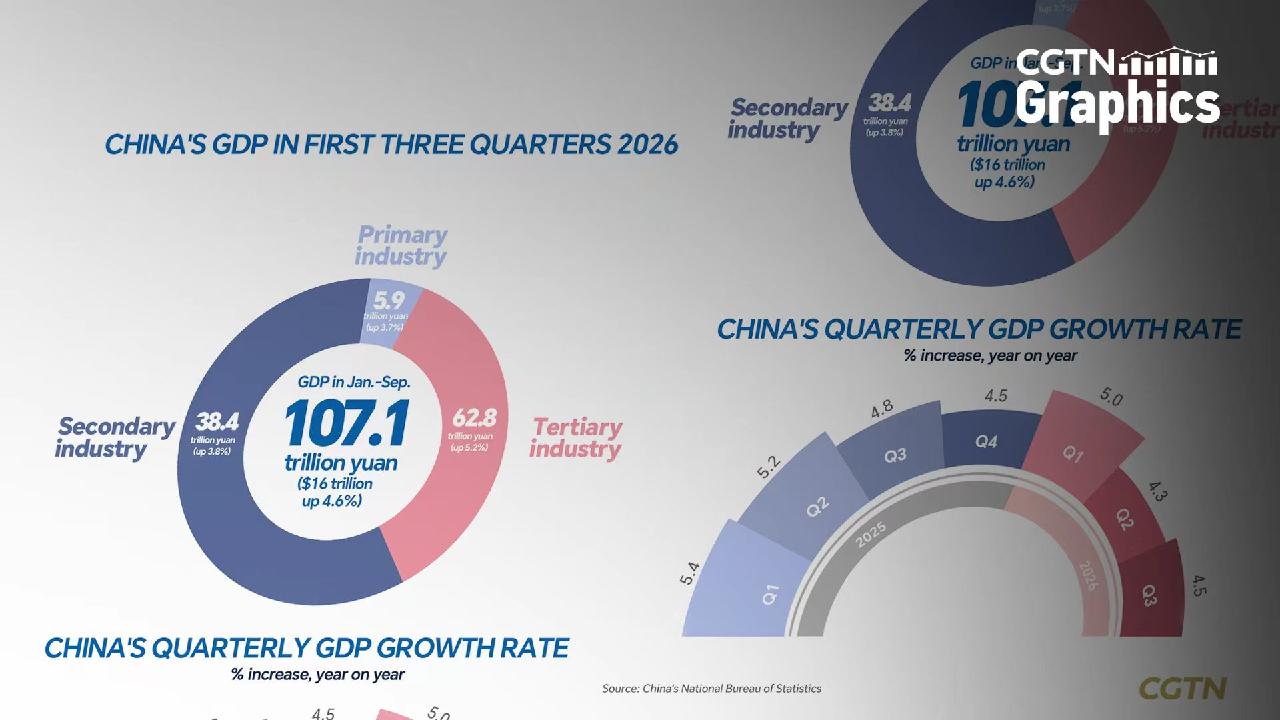
Graphics: China's economy picks up steam in Q3
Graphics: China's economy picks up steam in Q3

The VW Bus, Now Electrified, Keeps on Truckin’
A restored version of Volkswagen’s Flower Power-era Microbus, kitted out by Kindred Motorworks, is aiming for the affluent, while VW’s own E.V. is slow to get moving, much like its forebear.

'I'm fed up of swiping': Why singles now want to meet IRL
The BBC hears from people who think dating events are better value for money than dating apps.

‘A Ticking Time Bomb’: An Economic Crisis Looms in Indonesia
Once a model of economic stability, Indonesia now faces growing hardship at home as President Prabowo Subianto’s policies shake investor confidence.

Black Unemployment Hints at a Job Market in Worse Shape Than It Seems
The Black unemployment rate climbed a percentage point to 7 percent in September, almost double the rate for white workers.

Elon Musk Says He Will Give a SpaceX Share to ‘Every Kid in America’
Anthropic, an A.I. rival to SpaceX, earlier said it would form a “public benefit fund” and other tech moguls have contributed to savings accounts for children.

Christiane Amanpour Says She Is Leaving CNN After 43 Years
The chief international anchor, one of the most famous names in broadcast news, started as an assistant at the network in 1983.