
Facebook parent Meta cuts 11,000 jobs, 13% of workforce
Nov 9, 2022
Facebook parent Meta is laying off 13% of its employees as it contends with faltering revenue and broader tech industry woes
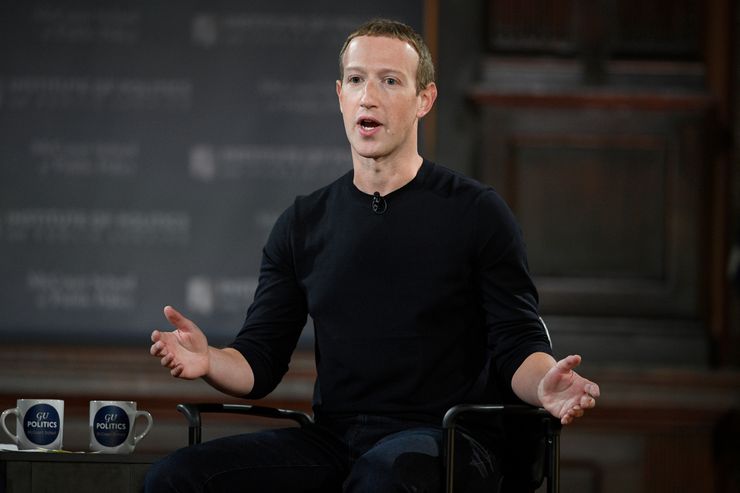
Facebook parent Meta is laying off 11,000 people, about 13% of its workforce, as it contends with faltering revenue and broader tech industry woes, CEO Mark Zuckerberg said in a letter to employees Wednesday.
The job cuts come just a week after widespread layoffs at Twitter under its new owner, billionaire Elon Musk. There have been numerous job cuts at other tech companies that hired rapidly during the pandemic.
Zuckerberg as well said that he had made the decision to hire aggressively, anticipating rapid growth even after the pandemic ended.
“Unfortunately, this did not play out the way I expected,” Zuckerberg said in a prepared statement. “Not only has online commerce returned to prior trends, but the macroeconomic downturn, increased competition, and ads signal loss have caused our revenue to be much lower than I’d expected. I got this wrong, and I take responsibility for that.”
Meta, like other social media companies, enjoyed a financial boost during the pandemic lockdown era because more people stayed home and scrolled on their phones and computers. But as the lockdowns ended and people started going outside again, revenue growth began to falter.
An economic slowdown and a grim outlook for online advertising — by far Meta’s biggest revenue source — have contributed to Meta's woes. This summer, Meta posted its first quarterly revenue decline in history, followed by another, bigger decline in the fall.
Some of the pain is company-specific, while some is tied to broader economic and technological forces.
Last week, Twitter laid off about half of its 7,500 employees, part of a chaotic overhaul as Musk took the helm. He tweeted that there was no choice but to cut the jobs “when the company is losing over $4M/day," though did not provide details about the losses.
Meta has worried investors by pouring over $10 billion a year into the “metaverse” as it shifts its focus away from social media. Zuckerberg predicts the metaverse, an immersive digital universe, will eventually replace smartphones as the primary way people use technology.
Meta and its advertisers are bracing for a potential recession. There’s also the challenge of Apple's privacy tools, which make it more difficult for social media platforms like Facebook, Instagram and Snap to track people without their consent and target ads to them.
Competition from TikTok is also an a growing threat as younger people flock to the video sharing app over Instagram, which Meta also owns.
“We’ve cut costs across our business, including scaling back budgets, reducing perks, and shrinking our real estate footprint," Zuckerberg said. ”We’re restructuring teams to increase our efficiency. But these measures alone won’t bring our expenses in line with our revenue growth, so I’ve also made the hard decision to let people go."
Zuckerberg told employees Wednesday that they will receive an email letting them know if they are among those being let go. Access to most company systems will be cut off for people losing their jobs, he said, due to the sensitive nature of that information.
“We’re keeping email addresses active throughout the day so everyone can say farewell,” Zuckerberg said.
Former employees will receive 16 weeks of base pay, plus two additional weeks for every year with the company, Zuckerberg said. Health insurance for those employees and their families will continue for six months.
Shares of Meta Platforms Inc. jumped 4% before the opening bell Wednesday.
More News

U.S. Budget Deficit Nears $2 Trillion, a Reality Check for Trump’s Cost Cutting
Higher interest rates are inflating borrowing costs as the Trump administration spends on the Iran war and tariff refunds.

Indonesian Stocks Plunge as MSCI Threatens to Drop Market from Indexes
The potential downgrade by MSCI, an influential index provider, adds to a deepening crisis of investor confidence in the economic policies of President Prabowo Subianto.

Warsh Vows to Tame Inflation as A.I. Delivers ‘Shock’ to Economy
The Federal Reserve chairman stuck to his pledge to avoid providing guidance about the path forward for interest rates, but did nothing to convey an urgency to raise them later this month.

Watch: Did Tesla really just unveil a flying car?
Tesla CEO Elon Musk showcased the vehicle at a facility owned by his SpaceX company, which helped develop the model.

When Will the Fed Move on Rates?
Kevin Warsh, the central bank’s chairman, suggested he wouldn’t push to raise borrowing rates this month. But persistent inflation may force the Fed’s hand.

Banks expect to be hit with higher taxes in Budget
Senior banking executives have told the BBC they expect to be "on the menu" in the chancellor's Budget tax later this month.

Feel Like You’re Overpaying for Hotels? Blame Expedia, a New Lawsuit Says.
The booking giant is accused of breaking federal antitrust laws and forcing millions of customers to overspend on stays by as much as 30 percent.

Tesla Debuts 2026 Roadster ‘Flying’ Electric Sports Car
Elon Musk’s company and other automakers, like Jaguar and Bentley, are trying to sell very expensive electric cars to people who usually prefer gasoline-fueled luxury and performance.

Trump Hasn’t Lowered Drug Prices for These Voters
President Trump has been promoting his efforts to reduce drug prices, but many Americans have not seen relief from rising costs for prescriptions and insurance premiums.

Fuel costs squeezing margins for some businesses
Diesel recently topped £2 per litre and there is concern that a duty freeze will not go far enough.

Why Bad News in the Bond Market May Be Good News for Investors
In the contrarian logic of investing, rising interest rates have made bonds much more attractive, our columnist says.

'TV and cheap booze' blamed for landlord quitting
Lincolnshire has lost 27% of its pubs and bars since 2009 and some are calling on the government to act against cheap supermarket booze.