
IMF chief urges aggressive fight against soaring inflation
Oct 13, 2022
The managing director of the International Monetary Fund urged global policymakers to stop inflation from becoming “a runaway train″ at a time of extraordinary economic turmoil
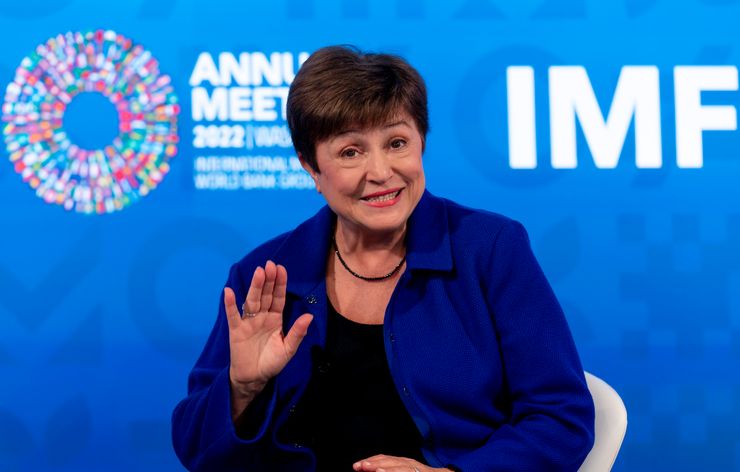
WASHINGTON (AP) — Warning that inflation threatens to become “a runaway train,’’ the managing director of the International Monetary Fund urged policymakers to keep up the fight against rising prices even it means more pain at a time of extraordinary economic turmoil.
Speaking to reporters Thursday, the IMF’s Kristalina Georgieva said that the world economy “has been hit by one shock after another″ — the coronavirus pandemic, Russia’s invasion of Ukraine and a resurgence of inflation.
But reining in rising prices should take priority, she said. “If we do not restore price stability, we will undermine prospects for growth,'' she said, adding: “We cannot possibly allow inflation to become a runaway train — bad for growth, bad for people, bad especially for poor people.″
The Federal Reserve and other central banks have been raising interest rates to tame inflation. on Thursday, the U.S. reported that inflations accelerated in September, with the cost of housing and other necessities intensifying pressure on Americans. Consumer prices rose 8.2% compared with September of last year.
Georgieva acknowledged that the higher borrowing costs would pinch economic growth, but she urged policymakers to show restraint in spending money to ease the pain.
“When monetary policy puts a foot on the brakes,″ she said, “fiscal policy should not step on the accelerator.″
Governments, many of them already heavily indebted after battling the pandemic, should focus on helping the most vulnerable at a time of food shortages and punishingly high energy costs, not on broader spending programs. “Policy measures need to be well targeted, and they need to be temporary,'' she said.
Georgieva's call for inflation vigilance comes at a time when some economists worry that central banks will overdo interest rate hikes and cause unnecessary economic pain.
Georgieva also warned that the “fragmentation'' of the world economy into competing political blocs could cause inflation to linger. If geopolitical tensions cause companies to move their supply chains — out of China, for instance — production could become less efficient and more expensive. And central bank rate hikes couldn't do much about it.
“If we lose the benefits of a more-integrated global economy, we all would be poorer,″ she said.
Georgieva made the comments as the world's financial leaders gather in Washington for the fall meetings of the IMF and World Bank.
More News

U.S. Budget Deficit Nears $2 Trillion, a Reality Check for Trump’s Cost Cutting
Higher interest rates are inflating borrowing costs as the Trump administration spends on the Iran war and tariff refunds.

Indonesian Stocks Plunge as MSCI Threatens to Drop Market from Indexes
The potential downgrade by MSCI, an influential index provider, adds to a deepening crisis of investor confidence in the economic policies of President Prabowo Subianto.

Warsh Vows to Tame Inflation as A.I. Delivers ‘Shock’ to Economy
The Federal Reserve chairman stuck to his pledge to avoid providing guidance about the path forward for interest rates, but did nothing to convey an urgency to raise them later this month.

Watch: Did Tesla really just unveil a flying car?
Tesla CEO Elon Musk showcased the vehicle at a facility owned by his SpaceX company, which helped develop the model.

When Will the Fed Move on Rates?
Kevin Warsh, the central bank’s chairman, suggested he wouldn’t push to raise borrowing rates this month. But persistent inflation may force the Fed’s hand.

Banks expect to be hit with higher taxes in Budget
Senior banking executives have told the BBC they expect to be "on the menu" in the chancellor's Budget tax later this month.

Feel Like You’re Overpaying for Hotels? Blame Expedia, a New Lawsuit Says.
The booking giant is accused of breaking federal antitrust laws and forcing millions of customers to overspend on stays by as much as 30 percent.

Tesla Debuts 2026 Roadster ‘Flying’ Electric Sports Car
Elon Musk’s company and other automakers, like Jaguar and Bentley, are trying to sell very expensive electric cars to people who usually prefer gasoline-fueled luxury and performance.

Trump Hasn’t Lowered Drug Prices for These Voters
President Trump has been promoting his efforts to reduce drug prices, but many Americans have not seen relief from rising costs for prescriptions and insurance premiums.

Fuel costs squeezing margins for some businesses
Diesel recently topped £2 per litre and there is concern that a duty freeze will not go far enough.

Why Bad News in the Bond Market May Be Good News for Investors
In the contrarian logic of investing, rising interest rates have made bonds much more attractive, our columnist says.

'TV and cheap booze' blamed for landlord quitting
Lincolnshire has lost 27% of its pubs and bars since 2009 and some are calling on the government to act against cheap supermarket booze.