
Lebanon aims to adopt long-delayed IMF reforms in October
Sep 20, 2022
Lebanon's caretaker economy minister says the crisis-hit country hopes to adopt key but long-delayed reforms demanded by the International Monetary Fund for an economic bailout before the end of next month if there is “political will.”
BEIRUT (AP) — Crisis-hit Lebanon hopes to adopt key reforms demanded by the International Monetary Fund for a long-delayed but urgently needed bailout before the end of next month if there is “political will”, Lebanon’s caretaker economy minister said Tuesday.
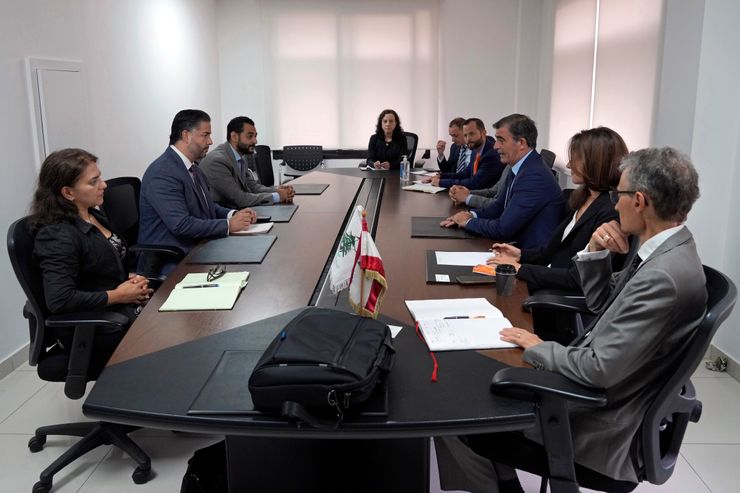
Amin Salam spoke to The Associated Press after meeting with an IMF delegation that has been visiting Lebanese officials since Monday. The reforms would include restructuring the country's banking system and banking secrecy laws.
The small Mediterranean nation has been in the grips of a three-year severe economic crisis that has left three quarters of its population in poverty after the Lebanese pound lost more than 90% of its value.
Talks between Lebanon’s government and the IMF began in May 2020 and reached a staff-level agreement earlier this year in April.
The Lebanese government has implemented few of the IMF’s demands from the agreement, which lists five “key pillars” that should be implemented, before finalizing a bailout program. These include restructuring Lebanon's ailing financial sector, implementing fiscal reforms, the proposed restructuring of external public debt, and putting in place strong anti-corruption and anti-money laundering measures.
“The IMF is still very committed to help the Lebanese government move forward with the prior actions agenda,” Salam said adding that since the staff level agreement was reached, Lebanon has held parliamentary elections while work is ongoing to form a new Cabinet and President Michel Aoun’s six-year term ends on Oct. 31.
Since the economic meltdown began with nationwide protests in October 2019 against the ruling class that has run the country since the end of the 1975-90 civil war, little has been done to help Lebanon out of its worst economic crisis in its modern history. The political class, blamed for the decades of corruption and mismanagement that led to the crisis, has been resisting reforms demanded by the international community.
Lebanon’s GDP has sharply dropped over the past few years from about $55 billion in 2018 to $20.5 billion in 2021. Tens of thousands have lost their jobs since 2019 as the crisis was made worse by coronavirus and a massive blast at Beirut’s port in August 2020, that killed over 200, wounded thousands and caused damage worth billions of dollars. Daily life has become a struggle with rampant power cuts and some of the worst food inflation rates worldwide.
“We are hoping October will be the magical month,” Salam said. He added that planned actions include a capital controls law, banking secrecy law, banking restructuring law and passing the 2022 state budget.
Salam said the four draft laws have been extensively studied and reviewed by Parliament and the government except for the banking restructuring laws that still are in the works.
“The other three laws, they require a serious political will, a serious political commitment between the executive power and the legislative power,” Salam said in English, adding that “I honestly, truly believe that we can finalize those in October if the political will is there.”
“We believe that if those four prior actions are done soon, we get much, much closer to a final (bailout) deal this year,” added Salam referring to a possible full bailout deal with the IMF, which would provide Lebanon some $4 billion and unlock billions more from international governments and institutions. Lebanon's central bank governor estimated that the country needs at least $12 billion in order to jumpstart its economy.
Salam also said that the talks with the IMF have been partially focused on the unification of the value of the Lebanese pound against the U.S. dollar, since at the present time Lebanon has at least five exchange rates for the pound.
Also on Tuesday, a warning came from the European Union’s Ambassador to Lebanon Ralph Tarraf who tweeted after meeting Aoun that he urged the president “to do his utmost to support and actively contribute to the implementation of the crucial economic, monetary and fiscal reforms that Lebanon has committed to.” Tarraf met Aoun along with other ambassadors including the envoys of Switzerland and Norway.
“The time to act is now,” Tarraf tweeted after the meeting, calling on Lebanon to implement reforms demanded by the IMF.
More News

Why Bad News in the Bond Market May Be Good News for Investors
In the contrarian logic of investing, rising interest rates have made bonds much more attractive, our columnist says.

U.S. Budget Deficit Nears $2 Trillion, a Reality Check for Trump’s Cost Cutting
Higher interest rates are inflating borrowing costs as the Trump administration spends on the Iran war and tariff refunds.

Indonesian Stocks Plunge as MSCI Threatens to Drop Market from Indexes
The potential downgrade by MSCI, an influential index provider, adds to a deepening crisis of investor confidence in the economic policies of President Prabowo Subianto.

Warsh Vows to Tame Inflation as A.I. Delivers ‘Shock’ to Economy
The Federal Reserve chairman stuck to his pledge to avoid providing guidance about the path forward for interest rates, but did nothing to convey an urgency to raise them later this month.

Watch: Did Tesla really just unveil a flying car?
Tesla CEO Elon Musk showcased the vehicle at a facility owned by his SpaceX company, which helped develop the model.

When Will the Fed Move on Rates?
Kevin Warsh, the central bank’s chairman, suggested he wouldn’t push to raise borrowing rates this month. But persistent inflation may force the Fed’s hand.

Banks expect to be hit with higher taxes in Budget
Senior banking executives have told the BBC they expect to be "on the menu" in the chancellor's Budget tax later this month.

Feel Like You’re Overpaying for Hotels? Blame Expedia, a New Lawsuit Says.
The booking giant is accused of breaking federal antitrust laws and forcing millions of customers to overspend on stays by as much as 30 percent.

Tesla Debuts 2026 Roadster ‘Flying’ Electric Sports Car
Elon Musk’s company and other automakers, like Jaguar and Bentley, are trying to sell very expensive electric cars to people who usually prefer gasoline-fueled luxury and performance.

Trump Hasn’t Lowered Drug Prices for These Voters
President Trump has been promoting his efforts to reduce drug prices, but many Americans have not seen relief from rising costs for prescriptions and insurance premiums.

Fuel costs squeezing margins for some businesses
Diesel recently topped £2 per litre and there is concern that a duty freeze will not go far enough.

'TV and cheap booze' blamed for landlord quitting
Lincolnshire has lost 27% of its pubs and bars since 2009 and some are calling on the government to act against cheap supermarket booze.