
Lebanon's currency reaches new low as crisis deepens
Jun 14, 2021
Lebanon’s currency has hit a new low as the country’s economic and political crisis worsened with no apparent solutions near
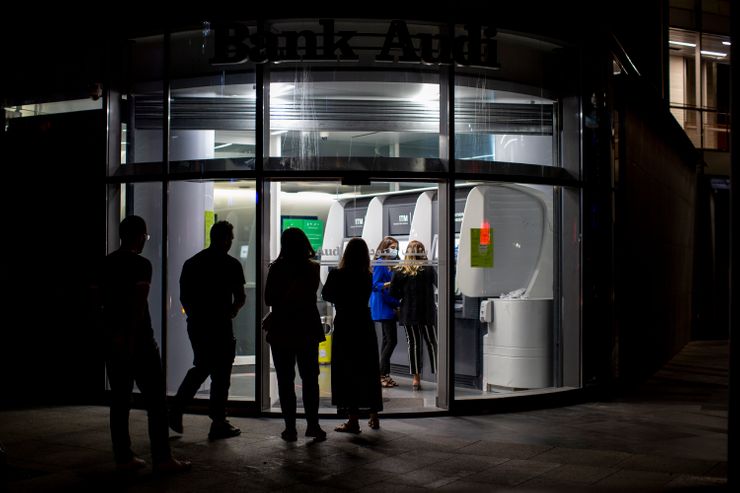
BEIRUT (AP) — Lebanon’s currency hit a new low on Sunday, as the country's economic and political crisis worsened with no apparent solutions in the near future.
The currency has lost more than 90% of its value since October 2019, when anti-government protests erupted. Inflation and prices of basic goods have skyrocketed in the country, which imports more than 80% of its basic goods.
The U.S. dollar hit 15,300 Lebanese pounds on the black market, a level not seen since March. The official rate still stands at 1,515 pounds to the dollar.
The latest crash comes as the tiny country suffers severe shortages of vital products including fuel and medicine. Electricity cuts last for much of the day and private generator owners have warned they cannot cover the supply deficit of the state-owned power company.
Political disagreements between President Michel Aoun and Prime Minister-designate Saad Hariri have delayed the formation of a new government. Hariri was chosen for the post in October.
The government of Prime Minister Hassan Diab resigned days after an Aug. 4 blast at Beirut’s port that killed 211, wounded more than 6,000 and damaged nearby neighborhoods.
In March 2020, Lebanon defaulted on paying back its debt for the first time in its history.
The crisis is rooted in decades of corruption and mismanagement by the ruling class that has been running Lebanon since 1990 when a 15-year civil war ended.
The World Bank said earlier this month that Lebanon’s economic and financial crisis is likely to rank as one of the worst the world has seen in more than 150 years.
More News

M.L.B. Playoff Ads With Sydney Sweeney and Megan Fox Draw Backlash
Commercials with Sydney Sweeney promoting a gambling platform and Megan Fox endorsing male enhancement have rankled fans, and even athletes. Who is in charge?

Netflix Hurries to Rewrite Its Narrative With Layoffs and a Sudden Firing
Despite strong revenues and profits, the streaming service cut 1,000 jobs and jettisoned its chief content officer. Drops in the stock price and viewer engagement are to blame.

Why Bad News in the Bond Market May Be Good News for Investors
In the contrarian logic of investing, rising interest rates have made bonds much more attractive, our columnist says.

U.S. Budget Deficit Nears $2 Trillion, a Reality Check for Trump’s Cost Cutting
Higher interest rates are inflating borrowing costs as the Trump administration spends on the Iran war and tariff refunds.

Indonesian Stocks Plunge as MSCI Threatens to Drop Market from Indexes
The potential downgrade by MSCI, an influential index provider, adds to a deepening crisis of investor confidence in the economic policies of President Prabowo Subianto.

Warsh Vows to Tame Inflation as A.I. Delivers ‘Shock’ to Economy
The Federal Reserve chairman stuck to his pledge to avoid providing guidance about the path forward for interest rates, but did nothing to convey an urgency to raise them later this month.

A new railway corridor: How Nanning links Chinese and ASEAN markets
A new railway corridor: How Nanning links Chinese and ASEAN markets

Watch: Did Tesla really just unveil a flying car?
Tesla CEO Elon Musk showcased the vehicle at a facility owned by his SpaceX company, which helped develop the model.

China and Europe are building new connections in aerospace
China and Europe are building new connections in aerospace – from skies to stars. On the one hand, their deep industrial partnership is scaling global civil aviation to new heights. On the other hand, scientific collaboration is opening new possibilities for space exploration and deepening our understanding of the Sun-Earth system.

BizTalk | Exclusive interview with Former PM of Bosnia and Herzegovina
In this episode of BizTalk, CGTN's Guan Xin speaks with Zlatko Lagumdzija, former prime minister of Bosnia and Herzegovina, about China's development and its role in global governance.

When Will the Fed Move on Rates?
Kevin Warsh, the central bank’s chairman, suggested he wouldn’t push to raise borrowing rates this month. But persistent inflation may force the Fed’s hand.

Banks expect to be hit with higher taxes in Budget
Senior banking executives have told the BBC they expect to be "on the menu" in the chancellor's Budget tax later this month.