
On protest anniversary, Cuba, US far apart on what happened
Jul 11, 2022
A year ago, thousands of people filled Cuba’s streets and public squares in the country’s largest outpouring of protest in decades
HAVANA (AP) — A year ago, thousands of people filled Cuba's streets and public squares in the country's largest outpouring of protest in decades.
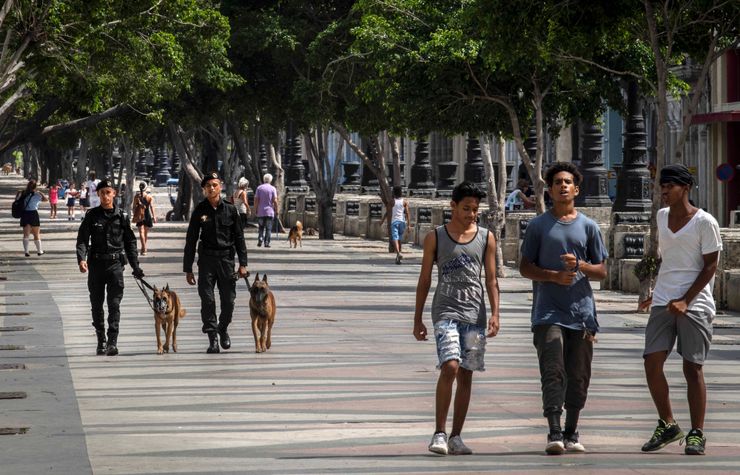
On Monday's anniversary, its main cities looked relatively normal — students sat in schools and people went to work, and as usual there were long lines of people looking for food or waiting for a bus as the island faces shortages in an economic crisis.
Hundreds were arrested during the unrest last July, and some have been sentenced to up to 25 years in prison. That is about all the two sides agree on.
Critics of the government said the events showed Cubans fighting against oppression. The authorities portrayed it as a moment when Cuba avoided a “soft coup” fomented by the U.S.
On July 11 and 12, 2021, protesters took to the streets to vent their frustrations over shortages, long lines and a lack of political options. Some were drawn to the marches by calls on social media, while others joined in spontaneously when marchers passed by.
The economy is still in crisis, with rising prices for what goods are available, and there has been a spike in migration to the U.S.
Cuba's economy also remains hobbled by U.S. sanctions. Despite his promises while campaigning to end the sanctions, President Joe Biden has only eased some, including allowing U.S. residents to send more money to Cuban relatives.
Since the protests, relations between the two countries have been tense.
In a message to Cubans on Monday, U.S. Secretary of State Antony Blinken said that “Americans watched with admiration on July 11, 2021, as tens of thousands of you took to the streets to raise your voices for human rights, fundamental freedoms and a better life.” He said the U.S. stand with the marchers.
Cuba's government offered a different take.
"There was vandalism, some with cruelty and tremendous belligerence,” Cuban President Miguel Díaz-Canel said in comments published in official media Monday. “If there's anything to celebrate it is the victory of the Cuban people, of the Cuban revolution, before the attempts of making (the protests) into a ‘soft coup.’"
Responding to Blinken, Foreign Minister Bruno Rodríguez said his message was a confirmation of the “direct involvement” of the U.S. government “in attempts to subvert order and peace” in Cuba.
Authorities haven’t said how many people were arrested during the protests, but an independent organization formed to track the cases, Justice 11J, has counted more than 1,400. In June, Cuba's prosecutor’s office said courts had imposed sentences on 488 protesters, ranging up to 25 years in prison.
The government insists protesters were not arrested for political reasons but for violating laws against public disorder, vandalism or sedition. It says many acted at the instigation of U.S.-based opposition groups using social media to attack Cuba's communist system.
Saily Núñez's husband, Maikel Puig, was among the protesters. He has been sentenced to 20 years in prison.
“More than a sad day, I feel proud that my brave (husband) was there on the streets,” Núñez said on her Twitter account Monday.
More News

Why Bad News in the Bond Market May Be Good News for Investors
In the contrarian logic of investing, rising interest rates have made bonds much more attractive, our columnist says.

U.S. Budget Deficit Nears $2 Trillion, a Reality Check for Trump’s Cost Cutting
Higher interest rates are inflating borrowing costs as the Trump administration spends on the Iran war and tariff refunds.

Indonesian Stocks Plunge as MSCI Threatens to Drop Market from Indexes
The potential downgrade by MSCI, an influential index provider, adds to a deepening crisis of investor confidence in the economic policies of President Prabowo Subianto.

Warsh Vows to Tame Inflation as A.I. Delivers ‘Shock’ to Economy
The Federal Reserve chairman stuck to his pledge to avoid providing guidance about the path forward for interest rates, but did nothing to convey an urgency to raise them later this month.

Watch: Did Tesla really just unveil a flying car?
Tesla CEO Elon Musk showcased the vehicle at a facility owned by his SpaceX company, which helped develop the model.

When Will the Fed Move on Rates?
Kevin Warsh, the central bank’s chairman, suggested he wouldn’t push to raise borrowing rates this month. But persistent inflation may force the Fed’s hand.

Banks expect to be hit with higher taxes in Budget
Senior banking executives have told the BBC they expect to be "on the menu" in the chancellor's Budget tax later this month.

Feel Like You’re Overpaying for Hotels? Blame Expedia, a New Lawsuit Says.
The booking giant is accused of breaking federal antitrust laws and forcing millions of customers to overspend on stays by as much as 30 percent.

Tesla Debuts 2026 Roadster ‘Flying’ Electric Sports Car
Elon Musk’s company and other automakers, like Jaguar and Bentley, are trying to sell very expensive electric cars to people who usually prefer gasoline-fueled luxury and performance.

Trump Hasn’t Lowered Drug Prices for These Voters
President Trump has been promoting his efforts to reduce drug prices, but many Americans have not seen relief from rising costs for prescriptions and insurance premiums.

Fuel costs squeezing margins for some businesses
Diesel recently topped £2 per litre and there is concern that a duty freeze will not go far enough.

'TV and cheap booze' blamed for landlord quitting
Lincolnshire has lost 27% of its pubs and bars since 2009 and some are calling on the government to act against cheap supermarket booze.