
Protests across Khartoum call on al-Bashir to step down
Jan 4, 2019
Police are using tear gas to disperse thousands of demonstrators in the Sudanese capital protesting the rule of autocratic President Omar al-Bashir
CAIRO — Police on Friday used tear gas to disperse anti-government demonstrations across Sudan's capital, where two weeks of street protests there and elsewhere in the country are keeping pressure on autocratic President Omar al-Bashir to step down after nearly 30 years in power.
The protests took place in at least eight different districts of Khartoum and its twin cities of Omdurman and Bahary, with thousands taking to the streets after the noon prayers chanting "freedom, peace, justice." The protesters also carried banners bearing the word "erhal," Arabic for "leave!" and chanted "Oh, you dancer, you made the people hungry," a reference to al-Bashir's trademark dance to local music after speaking at rallies.
In Omdurman, after the noon prayers, protesters rallied around opposition leader Sadeq al-Mahdi, Sudan's last freely elected government whose three years in power proved ineffective.
There were also protests in the railway city of Atbara, a traditional bastion of dissent and one of several cities where anti-government demonstrations began Dec. 19, initially over rising prices and shortages but which quickly shifted to calls for al-Bashir to step down.
Kassala and the Red Sea city of Port Sudan, both in eastern Sudan, and al-Gazeera region south of Khartoum also witnessed protests Friday.
At least 40 people are reported to have been killed in the protests so far. The government has acknowledged the death of 19 people and al-Bashir this week ordered an investigation into the use of lethal force against protesters. His decision to probe the deaths came after several Western nations, including the United States, have expressed their alarm at the use of live ammunition by security forces and demanded an investigation.
Friday's protests were called by the country's largest opposition blocs as part of a series, with the next ones slated for Sunday and Wednesday.
Al-Bashir, an Islamist, has been in power since 1989 when he led a military coup that toppled al-Mahdi's elected government. He was indicted by the International Criminal Court in 2010 for genocide and crimes against humanity in the western Darfur region. The mainly animist and Christian south seceded a year later under a peace deal that ended a long civil war.
With the south seceding, Sudan lost three quarters of its oil wealth, plunging the economy into a protracted crisis that continues to this day. In recent weeks, a devaluation of the local currency sent prices soaring. An attempt to lift subsidies on bread, a main fare for most Sudanese, proved to be the last stroke.
Al-Bashir has acknowledged the country's economic woes, but used a mix of religion and promises of better days to ride out the current crisis. On Thursday, he pledged an increase in wages, continued state subsidies on basic food items, better services for pensioners and an overhaul of medical care. He did not elaborate.
Also this week, he said Sudan's problems were largely caused by international sanctions — Sudan is on the U.S. list of countries sponsoring terrorism — and unnamed parties that sought to undermine Sudan's Islamic "experiment."
More News

Trump Offers Putin Economic Relief in Hopes That Russia Will Return the Favor
The Trump administration is ignoring the will of Congress and waiving new Russia sanctions amid fears that high energy prices will cost Republicans in next month’s elections.

How day of protests unfolded as disorder breaks out across France
Demonstrations across the country turned violent, with cars and buildings set alight and shops ransacked.

M.L.B. Playoff Ads With Sydney Sweeney and Megan Fox Draw Backlash
Commercials promoting a gambling platform and endorsing male enhancement have rankled fans, and even athletes. Who is in charge?

Weak Links Start to Show in A.I. Borrowing
Debt trouble at CoreWeave, Oracle and SoftBank raises questions about whether there are broader problems with the data center build-out.

The Reporter Who Exposed Elizabeth Holmes on Nathan Fielder’s Documentary
Ms. Holmes handed the makers of “You Can See Everything” — and the rest of the world — a microscope with which to observe and dissect her lies.

Can Cereal Be Healthy? Big Companies Are Trying.
As more Americans turn away from the snap, crackle and sugar, the industry is trying to capitalize on our current obsession with wellness.

Low-cost clinic helps pet owners with vet bills
RSPCA Medway West launches its clinic for the pets of people with low incomes.

APEC 2026: 30 days to go until Shenzhen hosts world leaders
APEC 2026: 30 days to go until Shenzhen hosts world leaders
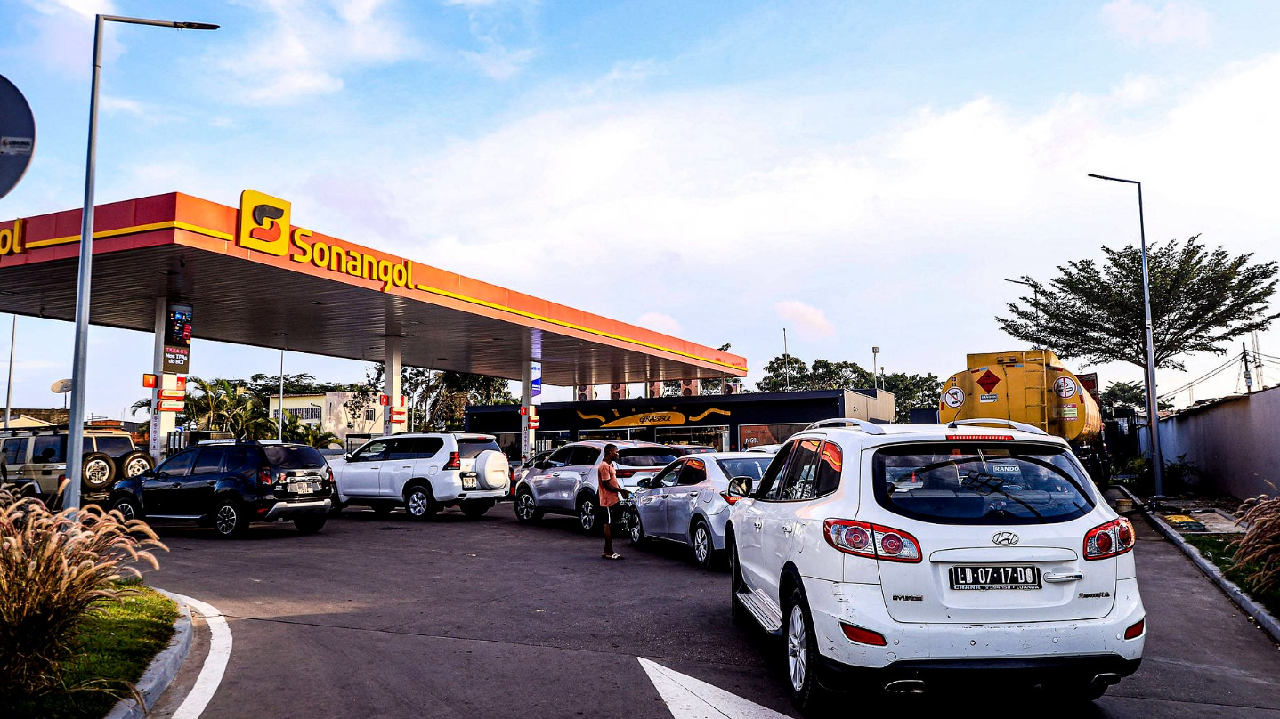
Angola's fuel subsidies spending projected to hit $4 billion in 2026
Angola could spend as much $4.16 billion on fuel subsidies this year, almost twice its initial projection, a senior finance official told Reuters on Friday.

States Are Stepping Up as the New Antitrust Enforcers
With the Trump administration taking a relaxed approach, attorneys general around the country have ramped up their scrutiny of mergers.

Corporate Tax Revenue Falls Even as Profits Soar Under Trump
The annual decline was about $70 billion. Companies are writing off billions in A.I. investments, taking advantage of tax cuts that President Trump signed into law.

It’s Time to Shop Medicare, and This Year, It’s Extra Important
Be sure to read your mail this fall — big changes to prescription drug plans and Medicare Advantage provider networks are coming, and could cost you more.