
Protests over shortages roil Sri Lanka despite curfew
Apr 3, 2022
Opposition lawmakers and people angered by the government’s handling of Sri Lanka’s worst economic crisis have marched to denounce the president’s move to impose a nationwide curfew and state of emergency
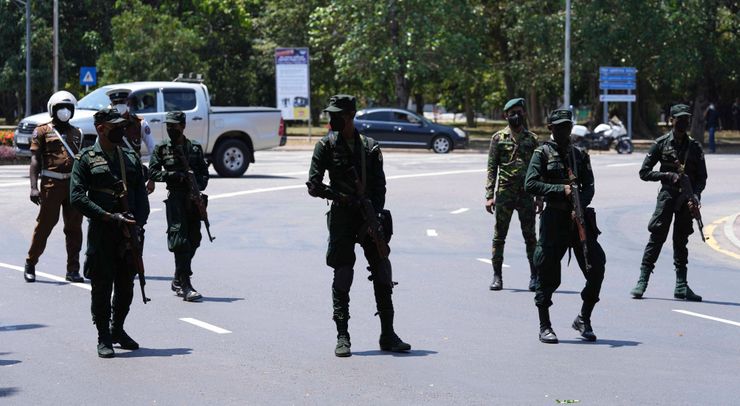
COLOMBO, Sri Lanka (AP) — Opposition lawmakers and people angered by the government's handling of Sri Lanka's worst economic crisis on Sunday marched to denounce the president's move to impose a nationwide curfew and state of emergency, as protests over food and fuel shortages swelled.
Internet users were unable to access Facebook, Twitter, YouTube, WhatsApp and other social media platforms for nearly 15 hours on Sunday after authorities blocked access.
Apparently due to the growing criticism, access to social media was later restored. The platforms have been used to organize protests calling for President Gotabaya Rajapaksa to resign, saying he is responsible for the country’s deepening economic woes.
Sri Lanka is under a nationwide curfew until Monday morning after Rajapaksa assumed emergency powers at midnight Friday. More protests were taking place throughout the country on Sunday as anger over people waiting in long lines for essential foods, fuel and hourslong rotating power cuts boiled over.
Facebook posts showed crowds of young people shouting anti-government slogans and singing songs.
The emergency declaration by Rajapaksa gives him wide powers to preserve public order, suppress mutiny, riot or civil disturbances or for the maintenance of essential supplies. Under the decree, the president can authorize detentions, seizure of property and search of premises. He can also change or suspend any law except the constitution.
In the capital, the lawmakers marched toward Colombo's main square, shouting slogans and carrying placards that read “Stop Suppression” and “Gota go home.” Gota is a shortened version of the president's first name.
Armed soldiers and police officers set up barricades on the road leading to the square, which was built to commemorate the country's independence from Britain in 1948.
“This is unconstitutional," opposition leader Sajith Premadasa told troops who prevented the lawmakers from walking to the square. "You are violating the law. Please think of the people who are suffering. Why are you protecting a government like this?”
Another lawmaker, Nalin Bandara, said: “How long can they rule under emergency? The first instance when the curfew is lifted, people are going to be back on the streets."
Sri Lanka faces huge debt obligations and dwindling foreign reserves, and its struggle to pay for imports has caused a lack of basic supplies. People wait in long lines for gas, and power is cut for several hours daily because there’s not enough fuel to operate power plants and dry weather has sapped hydropower capacity.
The island nation’s economic woes are blamed on a failure of successive governments to diversify exports, instead relying on traditional cash sources like tea, garments and tourism, and on a culture of consuming imported goods.
The COVID-19 pandemic dealt a heavy blow to the economy with the government estimating a loss of $14 billion in the last two years. Protesters also point to mismanagement — Sri Lanka has immense foreign debt after borrowing heavily on projects that don’t earn money. Its foreign debt repayment obligations are around $7 billion for this year alone.
The crisis has hit people from all walks of life. Middle class professionals and business people who would normally not take part in street protests have been holding nightly rallies with candles and placards in many parts of the country.
More News

Netflix Hurries to Rewrite Its Narrative With Layoffs and a Sudden Firing
Despite strong revenues and profits, the streaming service cut 1,000 jobs and jettisoned its chief content officer. Drops in the stock price and viewer engagement are to blame.

M.L.B. Playoff Ads With Sydney Sweeney and Megan Fox Draw Backlash
Commercials with Sydney Sweeney promoting a gambling platform and Megan Fox endorsing male enhancement have rankled fans, and even athletes. Who is in charge?

Why Bad News in the Bond Market May Be Good News for Investors
In the contrarian logic of investing, rising interest rates have made bonds much more attractive, our columnist says.

U.S. Budget Deficit Nears $2 Trillion, a Reality Check for Trump’s Cost Cutting
Higher interest rates are inflating borrowing costs as the Trump administration spends on the Iran war and tariff refunds.

Indonesian Stocks Plunge as MSCI Threatens to Drop Market from Indexes
The potential downgrade by MSCI, an influential index provider, adds to a deepening crisis of investor confidence in the economic policies of President Prabowo Subianto.

Warsh Vows to Tame Inflation as A.I. Delivers ‘Shock’ to Economy
The Federal Reserve chairman stuck to his pledge to avoid providing guidance about the path forward for interest rates, but did nothing to convey an urgency to raise them later this month.

Watch: Did Tesla really just unveil a flying car?
Tesla CEO Elon Musk showcased the vehicle at a facility owned by his SpaceX company, which helped develop the model.

When Will the Fed Move on Rates?
Kevin Warsh, the central bank’s chairman, suggested he wouldn’t push to raise borrowing rates this month. But persistent inflation may force the Fed’s hand.

Banks expect to be hit with higher taxes in Budget
Senior banking executives have told the BBC they expect to be "on the menu" in the chancellor's Budget tax later this month.

Feel Like You’re Overpaying for Hotels? Blame Expedia, a New Lawsuit Says.
The booking giant is accused of breaking federal antitrust laws and forcing millions of customers to overspend on stays by as much as 30 percent.

Tesla Debuts 2026 Roadster ‘Flying’ Electric Sports Car
Elon Musk’s company and other automakers, like Jaguar and Bentley, are trying to sell very expensive electric cars to people who usually prefer gasoline-fueled luxury and performance.

Trump Hasn’t Lowered Drug Prices for These Voters
President Trump has been promoting his efforts to reduce drug prices, but many Americans have not seen relief from rising costs for prescriptions and insurance premiums.