
Puerto Rico university seeks to double fees amid crisis
Aug 1, 2017
Puerto Rico's largest public university seeks to double its course fees following demands that it slash its budget amid a dire economic crisis
SAN JUAN, Puerto Rico — Puerto Rico's largest public university says it is planning to double its course fees following demands that it slash its budget amid a dire economic crisis.
Starting next year, students seeking a bachelor's degree at the University of Puerto Rico could pay up to $115 per credit instead of $56, while those seeking a master's degree could pay $270 instead of $140 per credit under plans approved late Monday by the university board. The fees would go into effect next year, and officials warn that another 20 percent increase could be implemented if needed.
The university on Tuesday is expected to submit its fiscal plan to the federal control board overseeing Puerto Rico's finances.
It is the latest hit for a university that reopened in June following a two-month strike organized by students protesting $450 million in proposed budget cuts sought by the control board. The demands coupled with the strike led to the resignation of several top university officials, including two presidents and three board members.
Student leaders rejected the proposed increases and said they would limit access to education for thousands of people living on an island with a 12 percent unemployment rate and a 45 percent poverty rate.
"This will only contribute to the migration, the economic crisis and the high unemployment rate that we currently face," said Wilmari de Jesus, student council president at the university's main campus.
University officials say the increases would generate more than $100 million a year, part of which would offset a new scholarship fund worth $50 million.
Some 61,000 students are enrolled at the 11 campuses at the University of Puerto Rico, and about 70 percent qualify for federal aid. The university has seen an increase in enrollment from nearly 56,000 students in 2013 to more than 62,000 last year.
The board also is considering an increase in lab, graduation, admission application and transcription fees, among other things.
More News

Burnham vows end to 'rip-off parking charges' under new rules
Penalties are seen as too harsh on motorists who are penalised for parking on private land.

Job vacancies fall as small firms cut back on recruitment
Small firms cite labour costs as a key factor in scaling back hiring, the Office for National Statistics says.

Chancellor rejects calls to raise Capital Gains Tax in Budget
Influential Labour figures had been pushing for equalising CGT and income tax, but critics have said this could drive wealthy people out of Britain.

Food aid charity under pressure from fuel costs
FareShare South West says fuel costs are putting immense pressure on work helping thousands in need.

How is the US economy really doing under President Trump?
Ahead of the midterms Trump has boasted about the performance of the US economy. BBC Verify looks at inflation, jobs and economic growth in the country.
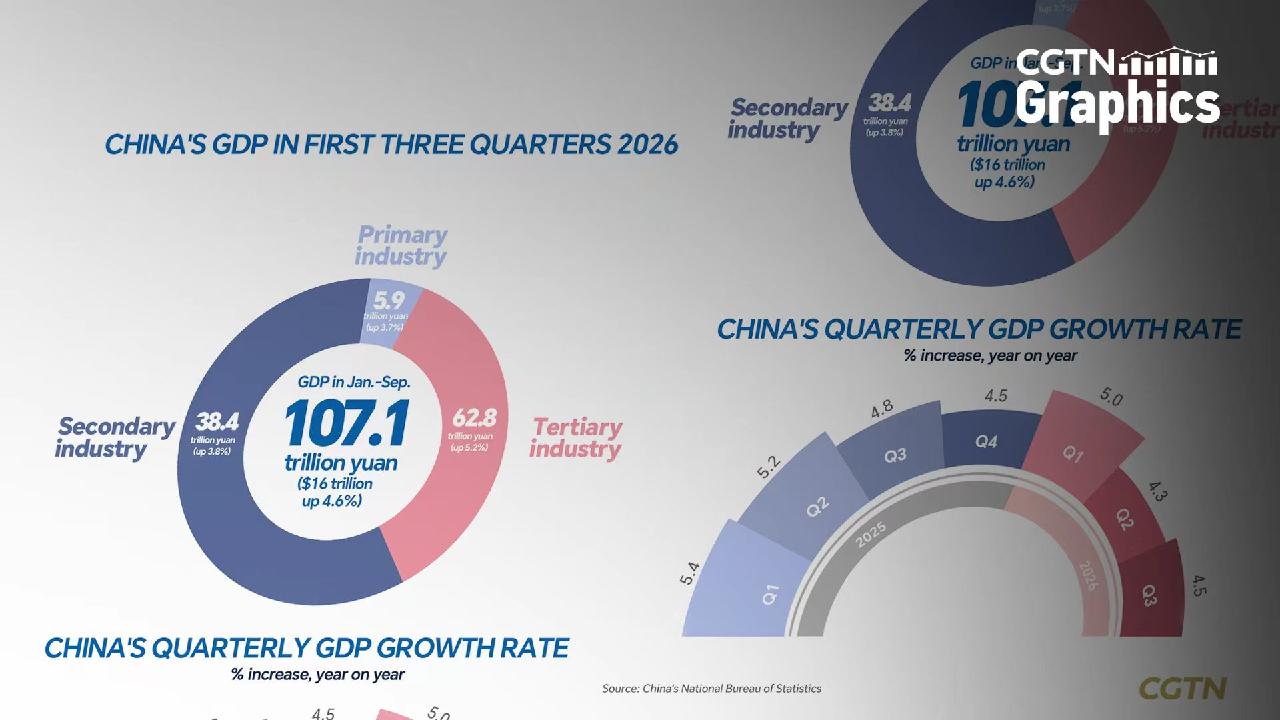
Graphics: China's economy picks up steam in Q3
Graphics: China's economy picks up steam in Q3

The VW Bus, Now Electrified, Keeps on Truckin’
A restored version of Volkswagen’s Flower Power-era Microbus, kitted out by Kindred Motorworks, is aiming for the affluent, while VW’s own E.V. is slow to get moving, much like its forebear.

'I'm fed up of swiping': Why singles now want to meet IRL
The BBC hears from people who think dating events are better value for money than dating apps.

‘A Ticking Time Bomb’: An Economic Crisis Looms in Indonesia
Once a model of economic stability, Indonesia now faces growing hardship at home as President Prabowo Subianto’s policies shake investor confidence.

Black Unemployment Hints at a Job Market in Worse Shape Than It Seems
The Black unemployment rate climbed a percentage point to 7 percent in September, almost double the rate for white workers.

Elon Musk Says He Will Give a SpaceX Share to ‘Every Kid in America’
Anthropic, an A.I. rival to SpaceX, earlier said it would form a “public benefit fund” and other tech moguls have contributed to savings accounts for children.

Christiane Amanpour Says She Is Leaving CNN After 43 Years
The chief international anchor, one of the most famous names in broadcast news, started as an assistant at the network in 1983.