
Sri Lanka sends 2 ministers to Russia for oil amid crisis
Jun 27, 2022
Sri Lanka is sending two ministers to Russia to negotiate for fuel, a necessity that the Indian ocean island nation has almost run out of amid its ongoing economic crisis
COLOMBO, Sri Lanka (AP) — Sri Lanka is sending two ministers to Russia to negotiate for fuel — one of the necessities that the Indian ocean island nation has almost run out of amid its ongoing economic crisis.
Power and Energy Minister Kanchana Wijesekera said two ministers are scheduled to leave for Russia on Monday to continue in person talks that Sri Lanka has been having with Russian authorities to directly purchase fuel, among other related issues.
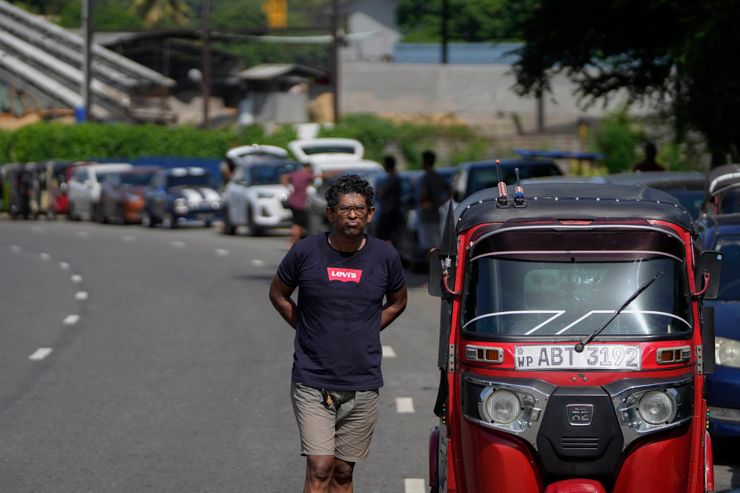
He urged people Saturday not to line up for fuel, saying new shipments would be delayed due to “banking and logistics reasons.”
He said limited stocks of fuel will be distributed to limited stations throughout next week. He said until the next shipments arrive, “public transport, power generators and industries will be given a priority.”
Residents have had to queue for hours and sometimes days to get fuel, sometimes resorting to burning charcoal or palm fronds for cooking.
Wijesekera's comments come while a high-level U.S. delegation is visiting Sri Lanka, seeking ways to help the island nation cope with an unprecedented economic crisis and severe shortages of essential supplies.
Since Russia’s invasion of Ukraine in late February, global oil prices have skyrocketed. While Washington and its allies are trying to cut financial flows supporting Moscow’s war effort, Russia is offering its crude at a steep discount, making it extremely enticing to a number of countries.
Like some other South Asian nations, Sri Lanka has remained neutral on the war in Europe.
However, Wijesekera said the foreign ministry and the Sri Lankan ambassador in Russia have been making arrangements for a fuel sale.
“There is an advantage for us if we cold buy oil directly from the Russian government or the Russian firms. There are talks going on,” he told reporters Sunday.
The shortages have led to protests against the government, recently to demand fuel.
Sri Lanka says it’s unable to repay $7 billion in foreign debt due this year, pending the outcome of negotiations with the International Monetary Fund on a rescue package. It must pay $5 billion on average annually until 2026. Authorities have asked the IMF to lead a conference to unite Sri Lanka’s lenders.
Last month, the country bought a 90,000-metric-ton (99,000-ton) shipment of Russian crude to restart its only refinery, Wijesekera said.
In an interview with the Associated Press in mid-June, Prime Minister Ranil Wickremesinghe said Sri Lanka would be compelled to buy oil from Russia, adding that his country desperately needs fuel, and was trying to get oil and coal from the country’s traditional suppliers in the Middle East.
“If we can get from any other sources, we will get from there. Otherwise (we) may have to go to Russia again,” he said.
Wickremesinghe also said last week that the state-run Ceylon Petroleum Corporation was $700 million in debt and as a result, no country or organization was willing to provide fuel.
Protesters have occupied the entrance to President Gotabaya Rajapaksa’s office for more than two months demanding his resignation, saying the primary responsibility for the crisis rests with him and his family, whom they accuse of corruption and mismanagement.
The U.S. delegation led by Robert Kaproth, deputy assistant secretary of the Treasury for Asia, and Kelly Keiderling, deputy assistant secretary of state for South and Central Asia, began its visit Sunday and is scheduled to meet top Sri Lankan officials during their stay until Wednesday.
More News

'I'd spend $1,000 on a wedding present'
New Yorkers share how much they spend on a wedding gift - and how they decide.

Homeownership Drifts Further Out of Reach as Mortgage Rates Rise
Mortgage rates have pushed above 7 percent and home prices remain elevated, hurting the prospects of would-be buyers.

'I paid thousands to a company for jobs that never came'
Apurv Patel is one of several people who say they were promised job opportunities that did not appear.

Banks say Healey is planning Budget tax raid on their profits
Senior banking executives have told the BBC they expect to be "on the menu" in the chancellor's Budget tax later this month.

Tech Stocks Drop Further Amid Doubts Over AI Spending
Tech stocks plunged, led by a steep drop in South Korea’s benchmark index, as concerns over soaring A.I. spending and stubborn inflation fueled a sell-off.

Data Centers Become Targets in Wars in Ukraine, Russia and the Middle East
Military forces have sought to damage the computing hubs that power online services and artificial intelligence systems.

Mortgage Rates Hover at 7.4%, Highest Since 2023
The average 30-year, fixed-rate mortgage has steadily risen in recent weeks, compounding affordability challenges for many Americans.

California’s Proposition 45 Brings the Sprawl Debate Back
Among the measures up for a vote in November is one that would amend the state’s landmark environmental law and make it easier to build large housing developments outside cities.

Gulf Oil Is Still Flowing Despite a Surge in Attacks on Ships
Shipping operators are braving the Strait of Hormuz, but the risks are high and transportation costs have skyrocketed.

Nandy 'minded to intervene' in Sky's £1.6bn takeover of ITV entertainment arm
The culture secretary says the deal could affect free expression in the media and the variety of Britain's news landscape.

Midterms Could Shift Focus of Epstein Abuse to Banks’ Role
With an eye on retaking control of Congress, Democrats are introducing a bill that would hold banks accountable for their handling of Jeffrey Epstein’s finances.

What Is Starshield, SpaceX’s Military-Grade Satellite Internet Service Ukraine Relies On?
For years, Ukraine’s armed forces have relied on satellite communication services developed by Elon Musk’s SpaceX. Recent restrictions have hampered its war effort.