
Sri Lanka's ousted president returns home after fleeing
Sep 3, 2022
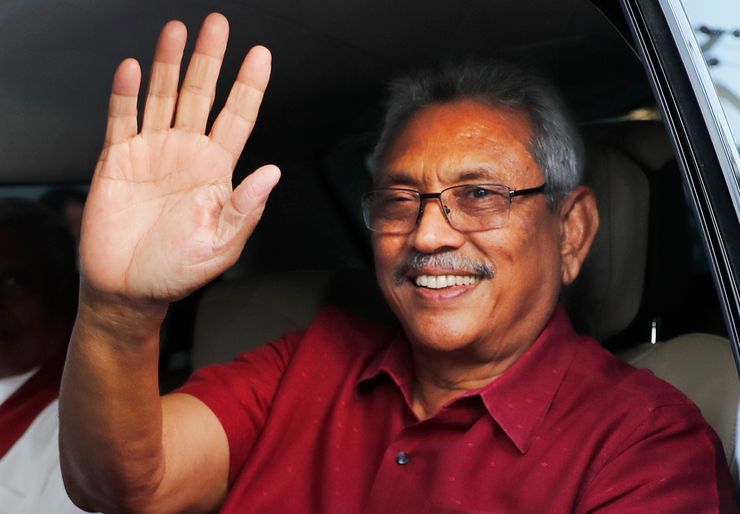
Sri Lanka’s former President Gotabaya Rajapaksa has returned to the country after he fled in July after tens of thousands of protesters stormed his home and office in a display of anger over the country’s economic crisis
COLOMBO, Sri Lanka (AP) — Sri Lanka’s former president, Gotabaya Rajapaksa, who fled the country in July after tens of thousands of protesters stormed his home and office in a display of anger over the country’s economic crisis, returned to the country early Saturday after seven weeks.
Rajapaksa flew into Colombo’s Bandaranaike International Airport around midnight Friday from Bangkok via Singapore. On being welcomed by lawmakers in his party, Rajapaksa left the airport in a motorcade heavily guarded by armed soldiers and reached a government-owned house allocated to him as a former president at the center of the capital, Colombo.
On July 13, the ousted leader, his wife and two bodyguards left aboard an air force plane for the Maldives, before traveling to Singapore from where he officially resigned. He flew to Thailand two weeks later.
Rajapaksa has no court case or arrest warrant pending against him. The only court case he was facing for alleged corruption during his time as the secretary to the Ministry of Defense under his older brother's presidency was withdrawn when he was elected president in 2019 because of constitutional immunity.
For months, Sri Lanka has been in the grips of its worst economic crisis, which triggered extraordinary protests and unprecedented public rage that ultimately forced Rajapaksa and his brother, the former prime minister, to step down. The situation in the bankrupt country was made worse by global factors like the pandemic and Russia’s invasion of Ukraine, but many hold the once-powerful Rajapaksa family as responsible for severely mismanaging the economy and tipping it into crisis.
The economic meltdown has seen monthslong shortages of essentials such as fuel, medicine and cooking gas due to a severe shortage of foreign currency. Though cooking gas supplies were restored through World Bank support, shortages of fuel, critical medicines and some food items continue.
The island nation has suspended repayment of nearly $7 billion in foreign debt due this year. The country’s total foreign debt amounts to more than $51 billion, of which $28 billion has to be repaid by 2027.
On Tuesday, President Ranil Wickremesinghe, who took over after Rajapaksa resigned, and his administration reached a preliminary agreement with the International Monetary Fund for a $2.9 billion bailout package over four years to help the country recover.
Rajapaksa, a former military officer, was elected on promises to uplift the country's economy and ensure national security after Islamic State-inspired bomb attacks killed some 270 people in churches and hotels on Easter Sunday 2019. He relinquished his American citizenship when he contested the election because laws at the time made dual citizens ineligible from holding political office.
As a top defense official, he is accused of overseeing human rights violations by the military during the country's three-decade civil war with the now-defeated Tamil Tiger rebels who fought for an independent state for the country's ethnic minority Tamils.
In April, protesters started camping outside the president’s office in the heart of Colombo and chanted “Gota, go home,” a demand for Rajapaksa to quit, which quickly became the rallying cry of the movement.
The demonstrations dismantled the Rajapaksa family’s grip on politics. Before Rajapaksa resigned, his older brother stepped down as prime minister and three more close family members quit their Cabinet positions.
But the country’s new president, Wickremesinghe, has since cracked down on protests. His first action as leader included dismantling the protest tents in the middle of the night as police forcibly removed demonstrators from the site and attacked them.
There is genuine fear among people who want to protest now, said Bhavani Fonseksa, with the independent think tank Center for Policy Alternatives.
“Whether people will take to the streets to demonstrate again is still to be seen, especially since there’s been so much repression since Ranil Wickremesinghe came to power. Several protesters have been arrested so there is genuine fear,” she said.
Dayan Jayatilleka, a former diplomat and political analyst, said the ruling SLPP party will welcome him back, but didn’t think his return would spark people to flood the streets again. “They will be sour — it is still far too early for him to return,” he said.
“There is no way Gotabaya will be forgiven for his transgressions but I think now there is more bitterness than public rage that awaits him,” Jayatilleka added.
For Nazly Hameem, an organizer who helped lead the protest movement, the former president’s return isn’t an issue “as long as he is held accountable.”
“He is a Sri Lankan citizen so no one can prevent him from coming back. But as someone who wants justice against the corrupt system, I would like to see action taken — there should be justice, they should file cases against him and hold him accountable for what he did to the country.”
“Our slogan was ‘Gota, go home’ — we didn’t expect him to flee, we wanted him to resign. As long as he doesn’t involve himself in active politics, it won’t be a problem.”
___
Pathi reported from New Delhi. Associated Press writer Krishan Francis in Colombo, Sri Lanka, contributed to this report.
More News

Why Bad News in the Bond Market May Be Good News for Investors
In the contrarian logic of investing, rising interest rates have made bonds much more attractive, our columnist says.

U.S. Budget Deficit Nears $2 Trillion, a Reality Check for Trump’s Cost Cutting
Higher interest rates are inflating borrowing costs as the Trump administration spends on the Iran war and tariff refunds.

Indonesian Stocks Plunge as MSCI Threatens to Drop Market from Indexes
The potential downgrade by MSCI, an influential index provider, adds to a deepening crisis of investor confidence in the economic policies of President Prabowo Subianto.

Warsh Vows to Tame Inflation as A.I. Delivers ‘Shock’ to Economy
The Federal Reserve chairman stuck to his pledge to avoid providing guidance about the path forward for interest rates, but did nothing to convey an urgency to raise them later this month.

Watch: Did Tesla really just unveil a flying car?
Tesla CEO Elon Musk showcased the vehicle at a facility owned by his SpaceX company, which helped develop the model.

When Will the Fed Move on Rates?
Kevin Warsh, the central bank’s chairman, suggested he wouldn’t push to raise borrowing rates this month. But persistent inflation may force the Fed’s hand.

Banks expect to be hit with higher taxes in Budget
Senior banking executives have told the BBC they expect to be "on the menu" in the chancellor's Budget tax later this month.

Feel Like You’re Overpaying for Hotels? Blame Expedia, a New Lawsuit Says.
The booking giant is accused of breaking federal antitrust laws and forcing millions of customers to overspend on stays by as much as 30 percent.

Tesla Debuts 2026 Roadster ‘Flying’ Electric Sports Car
Elon Musk’s company and other automakers, like Jaguar and Bentley, are trying to sell very expensive electric cars to people who usually prefer gasoline-fueled luxury and performance.

Trump Hasn’t Lowered Drug Prices for These Voters
President Trump has been promoting his efforts to reduce drug prices, but many Americans have not seen relief from rising costs for prescriptions and insurance premiums.

Fuel costs squeezing margins for some businesses
Diesel recently topped £2 per litre and there is concern that a duty freeze will not go far enough.

'TV and cheap booze' blamed for landlord quitting
Lincolnshire has lost 27% of its pubs and bars since 2009 and some are calling on the government to act against cheap supermarket booze.