
Syria devalues currency amid chaos ahead of new US sanctions
Jun 17, 2020
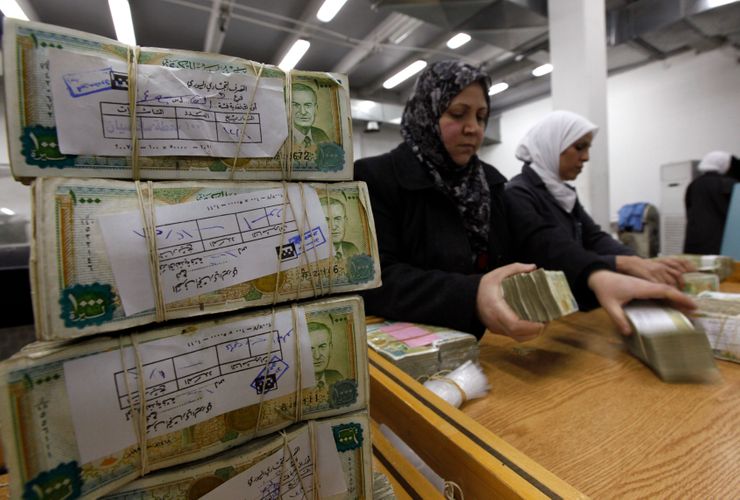
Syria has devalued its currency by 44%, announcing a new official rate for the pound amid chaos on the market
DAMASCUS, Syria (AP) — Syria devalued its currency by 44% on Wednesday, announcing a new official exchange rate for the pound amid chaos in the market, hours before new U.S. sanctions aimed at cutting off revenue for Syrian President Bashar Assad’s government took effect.
The sanctions, known as the U.S. Caesar Syria Civilian Protection Act, are the toughest set of measures to be imposed on Syria yet, preventing anyone around the world from doing business with Syrian officials or state institutions or from participating in the country’s reconstruction.
The State Department and the Treasury said later Wednesday that 39 Syrian individuals, including Assad and his wife and siblings, had been designated for the new sanctions.
Syria’s already troubled economy has sharply deteriorated, prices have soared and the national currency, the Syrian pound, collapsed in recent weeks, partly because of fears that the sanctions would further isolate the war-ravaged country.
Experts say the new sanctions, which are likely to deter businesses with links to Damascus in neighboring countries and among Assad’s allies, will be a heavy blow to a nation where more than 80% of the people already live in poverty, according to the United Nations. Syrian government officials have called it “economic terrorism.”
The Trump administration says the sanctions aim to push the Syrian government toward a U.N.-led political solution to the conflict.
This week the Syrian currency dropped to a record 3,500 pounds to the dollar on the black market — compared to around 1,000 for $1 at the end of 2019. Some staples such as sugar, rice and medicine are becoming hard to find and some people have started stockpiling food supplies out of fear their prices could increase.
Opposition-controlled areas run by Turkey-backed rebels have already started relying on Turkish liras, including for the sale of bread, as the Syrian currency continued to slide. Nearly 4 million people live in the areas outside of government control in northwestern Syria.
On Wednesday, the Central Bank announced a devaluation of the pound, raising the official exchange rate from 704 to 1,256 pounds to the dollar in an effort to ease the pressure on the black market and encourage the use of official channels for transactions. The price on the black market, according to unofficial social media pages, neared 2,825 pounds for a dollar.
The economic meltdown presents a serious challenge for Assad, who survived more than nine years of war but rules over a crumbling infrastructure and ravaged economy. The hardship has triggered new protests in government-controlled areas, including some where angered residents even called for his downfall.
“The (Caesar) Act aims at pitting the Syrian citizen against the government. The law is an invitation to inner discord and chaos,” said Safwan Qurabi, a member of Syria's parliament. He said the government was taking measures, including adopting a more flexible economy, to deal with these sanctions.
Ziyad Ghoussen, a Syrian journalist who reports on the economy, said the new U.S. sanctions are expected to increase the suffering of Syrians, making it more difficult to obtain basic needs and throwing even more people into poverty.
Mohammad Sarrei, a merchant from the central city of Homs, said all kinds of work has been brought to a standstill for several months due to rising living conditions.
“I hope that the Syrian people will be able to withstand (this) as they have no other option,” he said.
___
Associated Press writer Zeina Karam in Beirut contributed to this report.
More News

Can Cereal Be Healthy? Big Companies Are Trying.
As more Americans turn away from the snap, crackle and sugar, the industry is trying to capitalize on our current obsession with wellness.

States Are Stepping Up as the New Antitrust Enforcers
With the Trump administration taking a relaxed approach, attorneys general around the country have ramped up their scrutiny of mergers.

The Reporter Who Exposed Elizabeth Holmes on Nathan Fielder’s Documentary
Ms. Holmes handed the makers of “You Can See Everything” — and the rest of the world — a microscope with which to observe and dissect her lies.

Corporate Tax Revenue Falls Even as Profits Soar Under Trump
The annual decline was about $70 billion. Companies are writing off billions in A.I. investments, taking advantage of tax cuts that President Trump signed into law.

It’s Time to Shop Medicare, and This Year, It’s Extra Important
Be sure to read your mail this fall — big changes to prescription drug plans and Medicare Advantage provider networks are coming, and could cost you more.

Weak Links Start to Show in A.I. Borrowing
Debt trouble at CoreWeave, Oracle and SoftBank raises questions about whether there is broader trouble with the data center build-out.

Call for more food funding due to high living cost
Deputy Louise Doublet does not think the cost of living was considered in the ending of a trial.

Charity reflects on changing needs over 25 years
Help a Guernsey Child says it has provided in excess of £1.2m worth of essential support.

Nightclubs are disappearing - and it's affecting young people
One young person said with no nightlife in their town they cannot "let loose and mess around".

M.L.B. Playoff Ads With Sydney Sweeney and Megan Fox Draw Backlash
Commercials with Sydney Sweeney promoting a gambling platform and Megan Fox endorsing male enhancement have rankled fans, and even athletes. Who is in charge?

Netflix Hurries to Rewrite Its Narrative With Layoffs and a Sudden Firing
Despite strong revenues and profits, the streaming service cut 1,000 jobs and jettisoned its chief content officer. Drops in the stock price and viewer engagement are to blame.

Why Bad News in the Bond Market May Be Good News for Investors
In the contrarian logic of investing, rising interest rates have made bonds much more attractive, our columnist says.