
Syrian president sworn in for 4th term in war-torn country
Jul 17, 2021
Syrian President Bashar Assad has been sworn in for a fourth seven-year term in the war-torn country
DAMASCUS, Syria (AP) — Syrian President Bashar Assad was sworn in Saturday for a fourth seven-year term in the war-torn country.
The May elections were described by the West and Assad's opposition as illegitimate and a sham.
The swearing-in ceremony was held at the presidential palace and attended by clergymen, members of parliament, political figures and army officers.
In power since 2000, Assad’s re-election in a landslide was never in doubt. His new term starts with the country still devastated by 10 years of war and sliding deeper into a worsening economic crisis.
The U.N. estimates that more than 80% of Syrians live under the poverty line. The Syrian currency is in a free fall and basic services and resources have become scarce or are offered at exorbitant parallel market prices. Fighting has largely subsided, but parts of Syria remain out of government-control and foreign troops and militias are deployed in different parts of the country.
Nearly half of Syria’s pre-war population is either displaced or living in neighboring countries or Europe as refugees. The war has left nearly half a million killed, tens of thousands missing and devastated the infrastructure.
The conflict that began in 2011 started after the government cracked down on peaceful protests, turning the opposition against the decades-long rule of the Assad family into an armed rebellion.
Assad, targeted by widening sanctions and isolated by the West, is supported by Iran and Russia, who sent in troops and assistance that have propped him up throughout the war.
European and U.S. governments blame Assad and his aides for most of the war’s atrocities. Assad calls his armed opposition terrorists while U.N.-led talks to end the conflict have lacked any progress.
Assad took over in 2000 after the death of his father Hafez, who seized power in 1970 in a bloodless military coup.
U.S. and European officials have questioned the legitimacy of the election, saying it violated U.N. resolutions in place to resolve the conflict, lacks any international monitoring and is unrepresentative of all Syrians.
Assad garnered 95.1% of the vote in the election, in which officials said turnout was 78.6% of some 18 million registered voters. There were no independent monitors of the one-day vote. Competition was symbolic, with two candidates running against Assad.
More News

M.L.B. Playoff Ads With Sydney Sweeney and Megan Fox Draw Backlash
Commercials with Sydney Sweeney promoting a gambling platform and Megan Fox endorsing male enhancement have rankled fans, and even athletes. Who is in charge?

Netflix Hurries to Rewrite Its Narrative With Layoffs and a Sudden Firing
Despite strong revenues and profits, the streaming service cut 1,000 jobs and jettisoned its chief content officer. Drops in the stock price and viewer engagement are to blame.

Why Bad News in the Bond Market May Be Good News for Investors
In the contrarian logic of investing, rising interest rates have made bonds much more attractive, our columnist says.

U.S. Budget Deficit Nears $2 Trillion, a Reality Check for Trump’s Cost Cutting
Higher interest rates are inflating borrowing costs as the Trump administration spends on the Iran war and tariff refunds.

Indonesian Stocks Plunge as MSCI Threatens to Drop Market from Indexes
The potential downgrade by MSCI, an influential index provider, adds to a deepening crisis of investor confidence in the economic policies of President Prabowo Subianto.

Warsh Vows to Tame Inflation as A.I. Delivers ‘Shock’ to Economy
The Federal Reserve chairman stuck to his pledge to avoid providing guidance about the path forward for interest rates, but did nothing to convey an urgency to raise them later this month.
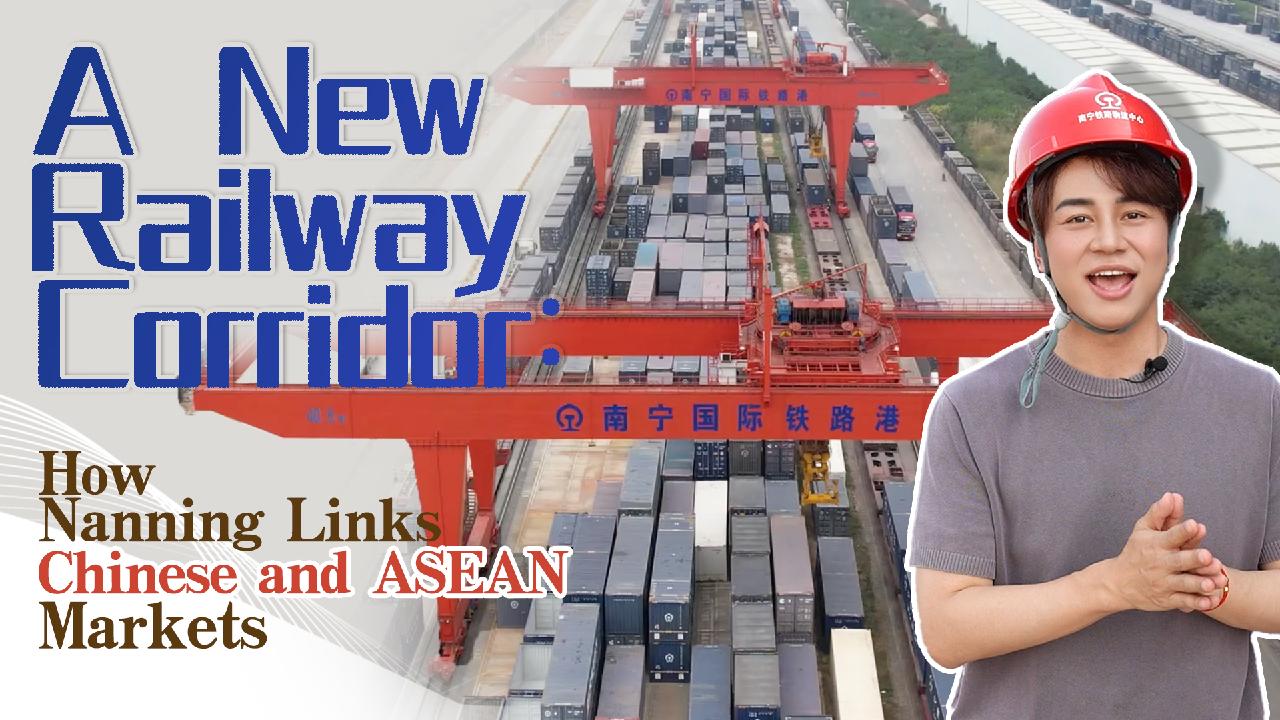
A new railway corridor: How Nanning links Chinese and ASEAN markets
A new railway corridor: How Nanning links Chinese and ASEAN markets

Watch: Did Tesla really just unveil a flying car?
Tesla CEO Elon Musk showcased the vehicle at a facility owned by his SpaceX company, which helped develop the model.
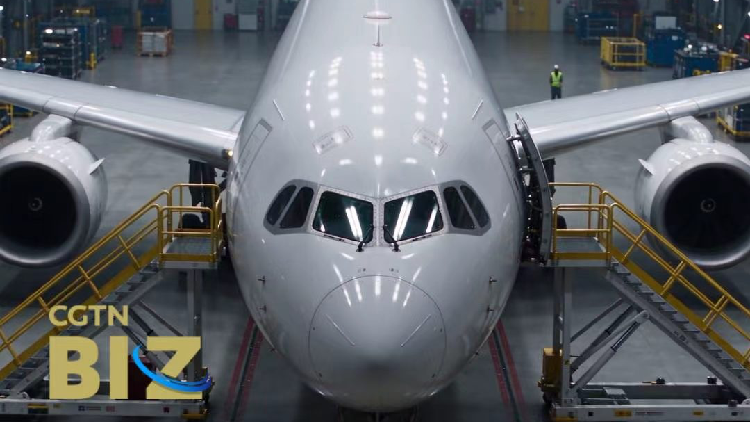
China and Europe are building new connections in aerospace
China and Europe are building new connections in aerospace – from skies to stars. On the one hand, their deep industrial partnership is scaling global civil aviation to new heights. On the other hand, scientific collaboration is opening new possibilities for space exploration and deepening our understanding of the Sun-Earth system.

BizTalk | Exclusive interview with Former PM of Bosnia and Herzegovina
In this episode of BizTalk, CGTN's Guan Xin speaks with Zlatko Lagumdzija, former prime minister of Bosnia and Herzegovina, about China's development and its role in global governance.

When Will the Fed Move on Rates?
Kevin Warsh, the central bank’s chairman, suggested he wouldn’t push to raise borrowing rates this month. But persistent inflation may force the Fed’s hand.

Banks expect to be hit with higher taxes in Budget
Senior banking executives have told the BBC they expect to be "on the menu" in the chancellor's Budget tax later this month.