
UK central bank warns over rise in consumer credit
Sep 25, 2017
The Bank of England is warning about risks stemming from the rapid growth of consumer credit in the British economy
LONDON — The Bank of England warned Monday of "a pocket of risk" in the rapid growth of consumer credit in the British economy, and is compelling lenders to hold an extra 10 billion pounds ($13.5 billion) in capital to cover themselves against potential losses.
The fast rise in credit like car loans or credit card debt may not be a threat to the overall economy, accounting for just 11 percent of household debt, but it represents a risk to "banks' ability to withstand severe economic downturns, because this asset class is disproportionately more likely to default," the Bank of England's Financial Policy Committee said.
The committee said lenders have placed too much weight on the recent performance of consumer lending in benign conditions, which has seen default rates fall. As a result, the committee said, lenders "have been underestimating the losses they could incur in a downturn." Though growth in consumer credit has slowed in recent months, it's still high — up 9.8 percent in the year to July 2017.
"Growth of consumer credit remains well above the rate of growth in household disposable income," the committee said in a report on a meeting held Sept. 20.
Banks, the committee added, could end up incurring 30 billion pounds worth of losses in the event that interest rates and unemployment rise sharply. That's around 20 percent of their outstanding loans and 10 billion pounds more than previously thought under a "very deep recession" scenario.
The extra capital they require is relatively small compared with the 280 billion pound that banks already have to keep back against potential losses, a buffer that the regulators hope will prevent a repeat of the financial crisis of a decade ago.
Individual banks will be evaluated later this year in so-called stress tests, in which banks' finances are put through a simulation of economic duress.
The warning from the committee, which assesses the financial risks to the British economy on a quarterly basis, comes on the day that Britain's main opposition Labour Party is calling for limits on credit card interest rates so that no one pays back more than twice the amount of their original borrowing.
Though consumer credit has increased over the past year amid low interest rates, Paul Hollingsworth, U.K. economist at Capital Economics, noted the recent slowdown. And with inflation likely to fall back in coming months, and wages set to rise, he said "the foundations for spending growth next year should be stronger, so concerns about consumer credit are likely to diminish, rather than build further."
On Brexit, the committee voiced concerns about the potential financial impact on British firms, saying Britain and the European Union would need an agreement.
More News

Burnham vows end to 'rip-off parking charges' under new rules
Penalties are seen as too harsh on motorists who are penalised for parking on private land.

Job vacancies fall as small firms cut back on recruitment
Small firms cite labour costs as a key factor in scaling back hiring, the Office for National Statistics says.

Chancellor rejects calls to raise Capital Gains Tax in Budget
Influential Labour figures had been pushing for equalising CGT and income tax, but critics have said this could drive wealthy people out of Britain.

Food aid charity under pressure from fuel costs
FareShare South West says fuel costs are putting immense pressure on work helping thousands in need.

How is the US economy really doing under President Trump?
Ahead of the midterms Trump has boasted about the performance of the US economy. BBC Verify looks at inflation, jobs and economic growth in the country.
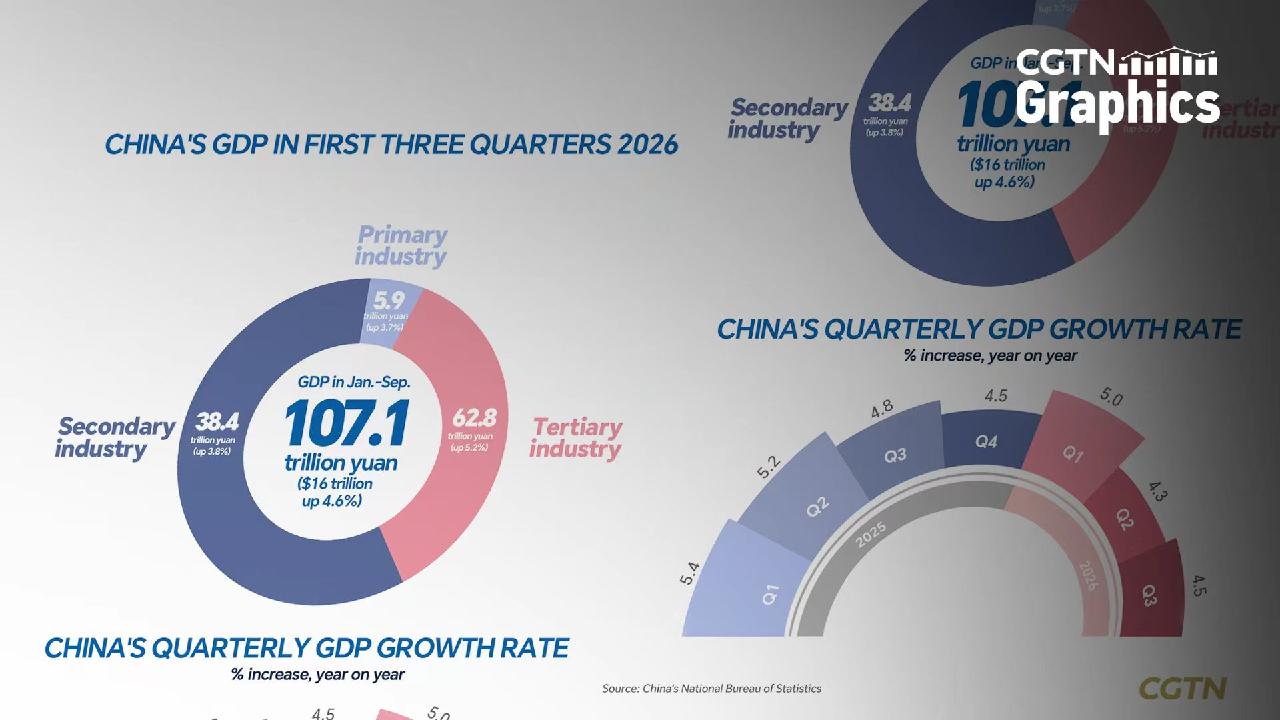
Graphics: China's economy picks up steam in Q3
Graphics: China's economy picks up steam in Q3

The VW Bus, Now Electrified, Keeps on Truckin’
A restored version of Volkswagen’s Flower Power-era Microbus, kitted out by Kindred Motorworks, is aiming for the affluent, while VW’s own E.V. is slow to get moving, much like its forebear.

'I'm fed up of swiping': Why singles now want to meet IRL
The BBC hears from people who think dating events are better value for money than dating apps.

‘A Ticking Time Bomb’: An Economic Crisis Looms in Indonesia
Once a model of economic stability, Indonesia now faces growing hardship at home as President Prabowo Subianto’s policies shake investor confidence.

Black Unemployment Hints at a Job Market in Worse Shape Than It Seems
The Black unemployment rate climbed a percentage point to 7 percent in September, almost double the rate for white workers.

Elon Musk Says He Will Give a SpaceX Share to ‘Every Kid in America’
Anthropic, an A.I. rival to SpaceX, earlier said it would form a “public benefit fund” and other tech moguls have contributed to savings accounts for children.

Christiane Amanpour Says She Is Leaving CNN After 43 Years
The chief international anchor, one of the most famous names in broadcast news, started as an assistant at the network in 1983.