
With Brexit 12 weeks away, uncertainty squeezing UK economy
Jan 4, 2019
With Britain just 12 weeks away from leaving the European Union, one thing is becoming clear _ uncertainty over what Brexit will mean is hurting the economy.
LONDON — With Britain just 12 weeks away from the day it is meant to leave the European Union, one thing is becoming clear — uncertainty over what Brexit will mean is hurting the economy.
A raft of economic figures released Friday showed the British economy weakening at the turn of the year just as Prime Minister Theresa May delayed a parliamentary vote on the Brexit deal she agreed on with the EU. House prices are down and business optimism in the key services sector is at its second-weakest level since the global financial crisis a decade ago.
One of Britain's leading mortgage providers said house prices fell in December by their biggest amount in six and a half years. The Nationwide Building Society said that house prices, a barometer of the health of the wider economy, fell by a monthly rate of 0.7 percent, the biggest monthly decline since July 2012. On an annual basis, prices were up only 0.5 percent, the lowest since February 2013.
"It is likely that the recent slowdown is attributable to the impact of the uncertain economic outlook on buyer sentiment, given that it has occurred against a backdrop of solid employment growth, stronger wage growth and continued low borrowing costs," said Robert Gardner, Nationwide's chief economist.
The big uncertainty surrounding the British economy relates to Brexit, which is officially due to take place on March 29. May delayed the vote on her deal to the middle of this month after realizing she was heading for a big defeat. As things stand, it looks like her deal, which foresees relatively close ties between Britain and the EU in the trade of goods, will struggle to win enough support.
What would happen then is unclear. Some lawmakers back another Brexit referendum while others think the country would be fine crashing out of the EU after some initial turbulence. Given the uncertain outcome of the vote in Parliament, both the EU and Britain are preparing for a possible "no-deal" Brexit. The British government, for example, is stockpiling pharmaceuticals and has bought a number of super-sized fridges to keep them viable.
The Bank of England, which warned in November that a "no-deal" Brexit could see the British economy contract by a whopping 8 percent within a few months, also published figures showing a further slowdown at the end of 2018. It found mortgage approvals for house purchases fell significantly in November to a seven-month low and that year-on-year unsecured consumer credit growth slowed during the month to the lowest level since March 2015.
And a closely watched survey found business activity rising at one of the slowest rates seen since the referendum. Financial information company IHS Markit and an industry group, the Chartered Institute of Procurement & Supply, said their purchasing managers index — a broad gauge of economic activity — rose in December to 51.6 points from November's 51.0. Though the index remains above the 50 expansion threshold, it was still the second-lowest reading since July 2016.
Manufacturing saw increased activity, but mainly due to stockpiling by firms ahead of a potential "no-deal" Brexit that could see tariffs imposed on British exports, gridlock at ports and disruptions to the movement of labor.
Confidence in the services sector, which accounts for around 80 percent of the British economy, was at its second-weakest since March 2009, when the country was in a deep recession following the global financial crisis. Brexit uncertainty was by far the most prominent concern voiced by businesses.
"Indecision is squeezing the life out of activity, new orders, and consumer confidence and with the gloomiest expectations for the future since July 2016, the sector is moving through a dark tunnel without a speck of light at the end it seems," said Duncan Brock, Group Director at the Chartered Institute of Procurement & Supply.
More News

Trump Offers Putin Economic Relief in Hopes That Russia Will Return the Favor
The Trump administration is ignoring the will of Congress and waiving new Russia sanctions amid fears that high energy prices will cost Republicans in next month’s elections.

How day of protests unfolded as disorder breaks out across France
Demonstrations across the country turned violent, with cars and buildings set alight and shops ransacked.

M.L.B. Playoff Ads With Sydney Sweeney and Megan Fox Draw Backlash
Commercials promoting a gambling platform and endorsing male enhancement have rankled fans, and even athletes. Who is in charge?

Weak Links Start to Show in A.I. Borrowing
Debt trouble at CoreWeave, Oracle and SoftBank raises questions about whether there are broader problems with the data center build-out.

The Reporter Who Exposed Elizabeth Holmes on Nathan Fielder’s Documentary
Ms. Holmes handed the makers of “You Can See Everything” — and the rest of the world — a microscope with which to observe and dissect her lies.

Can Cereal Be Healthy? Big Companies Are Trying.
As more Americans turn away from the snap, crackle and sugar, the industry is trying to capitalize on our current obsession with wellness.

Low-cost clinic helps pet owners with vet bills
RSPCA Medway West launches its clinic for the pets of people with low incomes.

APEC 2026: 30 days to go until Shenzhen hosts world leaders
APEC 2026: 30 days to go until Shenzhen hosts world leaders
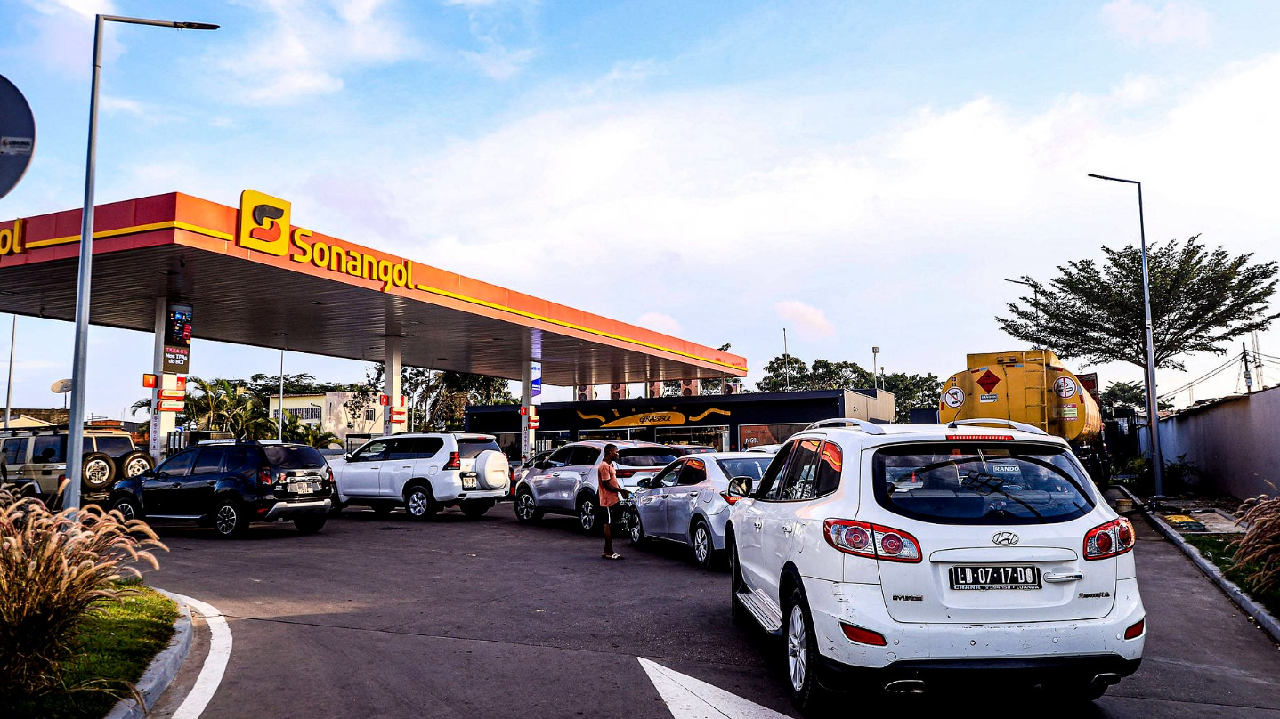
Angola's fuel subsidies spending projected to hit $4 billion in 2026
Angola could spend as much $4.16 billion on fuel subsidies this year, almost twice its initial projection, a senior finance official told Reuters on Friday.

States Are Stepping Up as the New Antitrust Enforcers
With the Trump administration taking a relaxed approach, attorneys general around the country have ramped up their scrutiny of mergers.

Corporate Tax Revenue Falls Even as Profits Soar Under Trump
The annual decline was about $70 billion. Companies are writing off billions in A.I. investments, taking advantage of tax cuts that President Trump signed into law.

It’s Time to Shop Medicare, and This Year, It’s Extra Important
Be sure to read your mail this fall — big changes to prescription drug plans and Medicare Advantage provider networks are coming, and could cost you more.