
UK scraps tax cut for wealthy that sparked market turmoil
Oct 3, 2022
The British government has dropped plans to cut income tax for top earners
BIRMINGHAM, England (AP) — The British government on Monday dropped plans to cut income tax for top earners, part of a package of unfunded cuts unveiled only days ago that sparked turmoil on financial markets and sent the pound to record lows.
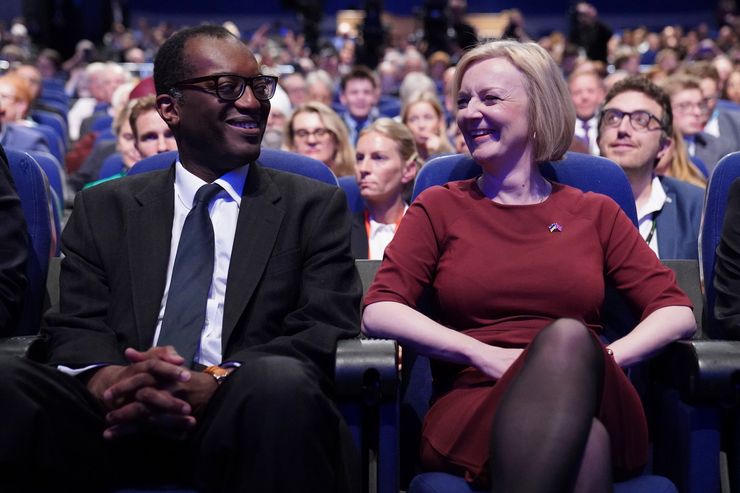
In a dramatic about-face, Treasury chief Kwasi Kwarteng abandoned plans to scrap the top 45% rate of income tax paid on earnings above 150,000 pounds ($167,000) a year.
He and Prime Minister Liz Truss have spent the last 10 days defending the cut in the face of market mayhem and increasing alarm among the governing Conservative Party.
“We get it, and we have listened,” Kwarteng said in a statement. He said “it is clear that the abolition of the 45p tax rate has become a distraction from our overriding mission to tackle the challenges facing our country.”
The pound rose after Kwarteng’s announcement to around $1.12 — about the value it held before the Sept. 23 budget announcements.
The U-turn came after a growing number of Conservative lawmakers, including former ministers with broad influence, turned on the government's tax plans.
“I can’t support the 45p tax removal when nurses are struggling to pay their bills,” Tory lawmaker Maria Caulfield said.
It also came hours after the Conservatives released advance extracts of a speech Kwarteng is due to give later Monday at the party's annual conference in the central England city of Birmingham. He had been due to say: “We must stay the course. I am confident our plan is the right one.”
Truss defended the measures Sunday but said she could have “done a better job laying the ground” for the announcements.
Truss took office less than a month ago, promising to radically reshape Britain’s economy to end years of sluggish growth. But the government’s announcement of a stimulus package that includes 45 billion pounds ($50 billion) in tax cuts, to be paid for by government borrowing, sent the pound tumbling to a record low against the dollar.
The Bank of England was forced to intervene to prop up the bond market, and fears that the bank will soon hike interest rates caused mortgage lenders to withdraw their cheapest deals, causing turmoil for homebuyers.
The package proved unpopular, even among Conservatives. Reducing taxes for top earners and scrapping a cap on bankers’ bonuses while millions face a cost-of-living crisis driven by soaring energy bills was widely seen as politically toxic.
Truss and Kwarteng insist that their plan will deliver a growing economy and eventually bring in more tax revenue, offsetting the cost of borrowing to fund the current cuts. But they also have signaled that public spending will need to be slashed to keep government debt under control.
Kwarteng has promised to set out a medium-term fiscal plan on Nov. 23, alongside an economic forecast from the independent Office for Budget Responsibility.
Axing the top-earners tax rate would have cost about 2 billion pounds, a small share of the government's overall tax-cutting plan. Kwarteng said Monday that the government was sticking to its other tax policies, including a cut next year in the basic rate of income tax and a reversal of a corporation tax hike planned by the previous government.
Tony Danker, who heads business group the Confederation of British Industry, said he hoped the government U-turn would bring stability to the markets.
“None of this growth plan will work unless we have stability. Let’s hope this is the beginning of it," he told broadcaster LBC.
Opposition parties said the government should scrap its whole economic plan.
“UK gov U-turns on top tax rate abolition because it’s a ‘distraction,'” Scottish First Minister Nicola Sturgeon of the Scottish National Party wrote on Twitter. “Morally wrong and hugely costly for millions is a better description. Utter ineptitude.”
More News

Warsh Vows to Tame Inflation as A.I. Delivers ‘Shock’ to Economy
The Federal Reserve chairman stuck to his pledge to avoid providing guidance about the path forward for interest rates, but did nothing to convey an urgency to raise them later this month.

Indonesian Stocks Plunge as MSCI Threatens to Drop Market from Indexes
The potential downgrade by MSCI, an influential index provider, adds to a deepening crisis of investor confidence in the economic policies of Indonesian President Prabowo Subianto.

Watch: Did Tesla really just unveil a flying car?
Tesla CEO Elon Musk showcased the vehicle at a facility owned by his SpaceX company, which helped develop the model.

When Will the Fed Move on Rates?
Kevin Warsh, the central bank’s chairman, suggested he wouldn’t push to raise borrowing rates this month. But persistent inflation may force the Fed’s hand.

Banks expect to be hit with higher taxes in Budget
Senior banking executives have told the BBC they expect to be "on the menu" in the chancellor's Budget tax later this month.

Feel Like You’re Overpaying for Hotels? Blame Expedia, a New Lawsuit Says.
The booking giant is accused of breaking federal antitrust laws and forcing millions of customers to overspend on stays by as much as 30 percent.

Tesla Debuts 2026 Roadster, an EV Sports Car at Least $200,000
Elon Musk’s company and other automakers, like Jaguar and Bentley, are trying to sell very expensive electric cars to people who usually prefer gasoline-fueled luxury and performance.

Trump Hasn’t Lowered Drug Prices for These Voters
President Trump has been promoting his efforts to reduce drug prices, but many Americans have not seen relief from rising costs for prescriptions and insurance premiums.

Fuel costs squeezing margins for some businesses
Diesel recently topped £2 per litre and there is concern that a duty freeze will not go far enough.

Why Bad News in the Bond Market May Be Good News for Investors
In the contrarian logic of investing, rising interest rates have made bonds much more attractive, our columnist says.

'TV and cheap booze' blamed for landlord quitting
Lincolnshire has lost 27% of its pubs and bars since 2009 and some are calling on the government to act against cheap supermarket booze.

Ship attack reports near Hormuz reach record high as oil exports slow
BBC Verify analysis of data from a UK maritime agency shows 12 vessels were struck in a week.