
UN envoy hopes for new Syria talks and warns of dire economy
Jun 16, 2020
The U.N. special envoy for Syria says he hopes that talks on drafting a new constitution for the country can be held in late August
UNITED NATIONS (AP) — The U.N. special envoy for Syria said Tuesday he hopes that talks on drafting a new constitution for the country can be held in late August, warning the war-torn nation has plunged into economic crisis with rising fears among its people.
Geir Pedersen told the U.N. Security Council that a long-delayed third meeting of the constitutional committee in Geneva is important but can’t solely address the realities the Syrian people are facing, which require “real diplomacy among the key international players with influence.” He noted that five international armies still operate across Syria and many countries have “active measures” in place, including sanctions, in the country.
Last month, Pedersen called for talks between Russia and the United States to help end the more than 9-year-old war, saying the two major powers could play “a key role.”
But the U.S., which supports Syria's opposition, and Russia, which backs Syrian President Bashar Assad, remain at odds, with their ambassadors sniping at each other at the council meeting.
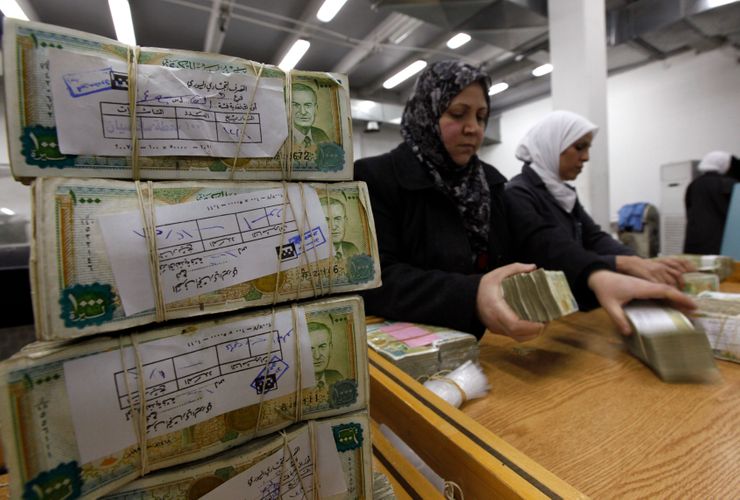
Pedersen said it’s easy to understand the “new level of alarm at the dramatic collapse in economic conditions," pointing to the depreciation of the Syrian currency during one recent week by a rate more than in the previous nine years, and continuing price volatility.
The U.N. envoy said new factors have joined underlying structural problems — infrastructure, fiscal and monetary mismanagement and corruption — to push the economy “to the brink.” He cited the banking crisis in neighboring Lebanon, the impact of the pandemic and sanctions by the United States and the European Union.
Pedersen said the sanctions target government-affiliated individuals and entities “and also restrict activity in the financial, banking, oil and gas and military sectors as well as exports and multilateral lending to and investments in Syria." Further U.S. sanctions that kick in starting Wednesday are aimed at deterring foreign business activity with the government.
Against this backdrop, he said, some Syrians have taken to the streets to protest peacefully in Sweida, Daraa and Idlib against a range of grievances.
In southwest Syria, he said, Russian mediation averted “what was set to be a major violent confrontation centered around the town of Tafas.” But he said there is concern there have since been additional security incidents and tensions “that might result in renewed escalation of violence.” He said this area has “broader geopolitical tensions” with active cells of the Islamic State group and reports of Israeli airstrikes inside Syria again this month.
In the last rebel-held area in northwest Syria, Pedersen said a Russian-Turkish cease-fire “is by-and-large holding.” But he pointed to worrying signs including increased shelling and reinforcements by both sides, the first reported pro-government airstrikes in three months, and more people fleeing the violence.
Pedersen called for a nationwide cease-fire and urged “a cooperative, targeted and effective approach” against extremist groups that protects civilians, including to prevent a resurgence of IS, which is continuing attacks in an around the central desert.
But cooperation wasn't evident in statements to the council from the U.S. and Russian ambassadors, reflecting the huge gap that still must be bridged to end the war that has killed over 370,000 and displaced millions.
U.S. Ambassador Kelly Craft said maintaining the cease-fire in northwest Syria is “vital for the achievement of a political solution to this conflict,” stressing the U.S. is committed to that goal.
“We will continue to reject any attempt by the Assad regime and its allies to use military force, obstruction, or disinformation to bypass U.N. efforts to restore peace in Syria,” she said.
Craft said the Trump administration’s new sanctions taking effect Wednesday are aimed at deterring “bad actors" who aid and finance the Assad regime’s “atrocities against the Syrian people while simply enriching themselves and their families.” She said they contain strong provisions to ensure humanitarian assistance isn’t impacted.
Russia’s U.N. Ambassador Vassily Nebenzia countered that “Idlib is controlled by terrorists” and foreign occupation must be ended. He said Ù.S. statements confirm the purpose of American sanctions “is to overthrow the legitimate authorities of Syria.”
Nebenzia said U.S. and EU sanctions, which were extended in May, not only cripple Syria’s economy but hinder humanitarian assistance.
“Exemptions don’t work,” which is “confirmed by the humanitarian workers themselves," he said.
More News

Can Cereal Be Healthy? Big Companies Are Trying.
As more Americans turn away from the snap, crackle and sugar, the industry is trying to capitalize on our current obsession with wellness.

States Are Stepping Up as the New Antitrust Enforcers
With the Trump administration taking a relaxed approach, attorneys general around the country have ramped up their scrutiny of mergers.

The Reporter Who Exposed Elizabeth Holmes on Nathan Fielder’s Documentary
Ms. Holmes handed the makers of “You Can See Everything” — and the rest of the world — a microscope with which to observe and dissect her lies.

Corporate Tax Revenue Falls Even as Profits Soar Under Trump
The annual decline was about $70 billion. Companies are writing off billions in A.I. investments, taking advantage of tax cuts that President Trump signed into law.

It’s Time to Shop Medicare, and This Year, It’s Extra Important
Be sure to read your mail this fall — big changes to prescription drug plans and Medicare Advantage provider networks are coming, and could cost you more.

Weak Links Start to Show in A.I. Borrowing
Debt trouble at CoreWeave, Oracle and SoftBank raises questions about whether there is broader trouble with the data center build-out.

Call for more food funding due to high living cost
Deputy Louise Doublet does not think the cost of living was considered in the ending of a trial.

Charity reflects on changing needs over 25 years
Help a Guernsey Child says it has provided in excess of £1.2m worth of essential support.

Nightclubs are disappearing - and it's affecting young people
One young person said with no nightlife in their town they cannot "let loose and mess around".

M.L.B. Playoff Ads With Sydney Sweeney and Megan Fox Draw Backlash
Commercials with Sydney Sweeney promoting a gambling platform and Megan Fox endorsing male enhancement have rankled fans, and even athletes. Who is in charge?

Netflix Hurries to Rewrite Its Narrative With Layoffs and a Sudden Firing
Despite strong revenues and profits, the streaming service cut 1,000 jobs and jettisoned its chief content officer. Drops in the stock price and viewer engagement are to blame.

Why Bad News in the Bond Market May Be Good News for Investors
In the contrarian logic of investing, rising interest rates have made bonds much more attractive, our columnist says.