
US futures point to a bear market; here’s what that means
Jun 14, 2022
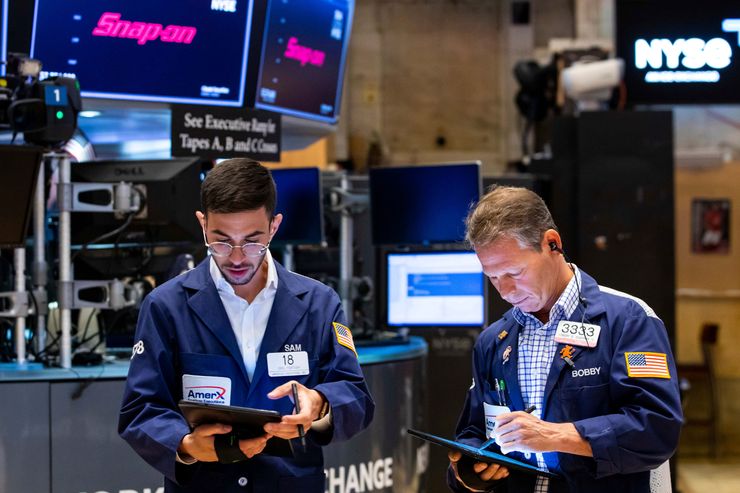
Wall Street looks like it will open the week with more losses, with the S&P 500 falling to a level that market observers consider to be a so-called bear market
NEW YORK (AP) — Wall Street looks like it will open the week with more losses, with the S&P 500 falling to a level that market observers consider to be a so-called bear market.
Rising interest rates, high inflation, the war in Ukraine and a slowdown in China’s economy have led investors to reconsider what they’re willing to pay for a wide range of stocks, from high-flying tech companies to traditional automakers. Big swings have become commonplace and Monday appears to be no exception.
The last bear market happened just two years ago, but this would still be a first for those investors that got their start trading on their phones during the pandemic. Thanks in large part to extraordinary actions by the Federal Reserve, stocks have for years seemed to go largely in only one direction: up. The “buy the dip” rallying cry after every market slide has grown fainter after stinging losses and severe plunges in risky assets like cryptocurrencies. Bitcoin tumbled another 12% and fell below $24,000 early Monday. The price for Bitcoin neared $68,000 late last year.
Here are some common questions asked about bear markets
___
WHY IS IT CALLED A BEAR MARKET?
A bear market is a term used by Wall Street when an index like the S&P 500, the Dow Jones Industrial Average, or even an individual stock, has fallen 20% or more from a recent high for a sustained period of time.
Why use a bear to represent a market slump? Bears hibernate, so bears represent a market that's retreating, said Sam Stovall, chief investment strategist at CFRA. In contrast, Wall Street's nickname for a surging stock market is a bull market, because bulls charge, Stovall said.
Futures for the S&P 500, Wall Street’s main barometer of health, slid more than 2% before the opening bell Monday to 3,810. That's about 20.5% below the high set on Jan. 3. The Nasdaq is already in a bear market, down 29.37% from its peak of 16,057.44 on Nov. 19. The Dow Jones Industrial Average is more than 15% below its most-recent peak.
The most recent bear market for the S&P 500 ran from February 19, 2020 through March 23, 2020. The index fell 34% in that one-month period. It's the shortest bear market ever.
___
WHAT’S BOTHERING INVESTORS?
Market enemy No. 1 is interest rates, which are rising quickly as a result of the high inflation battering the economy. Low rates act like steroids for stocks and other investments, and Wall Street is now going through withdrawal.
The Federal Reserve has made an aggressive pivot away from propping up financial markets and the economy with record-low rates and is focused on fighting inflation. The central bank has already raised its key short-term interest rate from its record low near zero, which had encouraged investors to move their money into riskier assets like stocks or cryptocurrencies to get better returns.
Last month, the Fed signaled additional rate increases of double the usual amount are likely in upcoming months. Consumer prices are at the highest level in four decades, and rose 8.3% in April compared with a year ago.
The moves by design will slow the economy by making it more expensive to borrow. The risk is the Fed could cause a recession if it raises rates too high or too quickly.
Russia’s war in Ukraine has also put upward pressure on inflation by pushing up commodities prices. And worries about China’s economy, the world’s second largest, have added to the gloom.
___
SO, WE JUST NEED TO AVOID A RECESSION?
Even if the Fed can pull off the delicate task of tamping down inflation without triggering a downturn, higher interest rates still put downward pressure on stocks.
If customers are paying more to borrow money, they can’t buy as much stuff, so less revenue flows to a company’s bottom line. Stocks tend to track profits over time. Higher rates also make investors less willing to pay elevated prices for stocks, which are riskier than bonds, when bonds are suddenly paying more in interest thanks to the Fed.
Critics said the overall stock market came into the year looking pricey versus history. Big technology stocks and other winners of the pandemic were seen as the most expensive, and those stocks have been the most punished as rates have risen. But the pain is spreading widely, with retailers signaling a shift in consumer behavior.
Stocks have declined almost 35% on average when a bear market coincides with a recession, compared with a nearly 24% drop when the economy avoids a recession, according to Ryan Detrick, chief market strategist at LPL Financial.
___
SO I SHOULD SELL EVERYTHING NOW, RIGHT?
If you need the money now or want to lock in the losses, yes. Otherwise, many advisers suggest riding through the ups and downs while remembering the swings are the price of admission for the stronger returns that stocks have provided over the long term.
While dumping stocks would stop the bleeding, it would also prevent any potential gains. Many of the best days for Wall Street have occurred either during a bear market or just after the end of one. That includes two separate days in the middle of the 2007-2009 bear market where the S&P 500 surged roughly 11%, as well as leaps of better than 9% during and shortly after the roughly monthlong 2020 bear market.
Advisers suggest putting money into stocks only if it won’t be needed for several years. The S&P 500 has come back from every one of its prior bear markets to eventually rise to another all-time high.
The down decade for the stock market following the 2000 bursting of the dot-com bubble was a notoriously brutal stretch, but stocks have often been able to regain their highs within a few years.
___
HOW LONG DO BEAR MARKETS LAST AND HOW DEEP DO THEY GO?
On average, bear markets have taken 13 months to go from peak to trough and 27 months to get back to breakeven since World War II. The S&P 500 index has fallen an average of 33% during bear markets in that time. The biggest decline since 1945 occurred in the 2007-2009 bear market when the S&P 500 fell 57%.
History shows that the faster an index enters into a bear market, the shallower they tend to be. Historically, stocks have taken 251 days (8.3 months) to fall into a bear market. When the S&P 500 has fallen 20% at a faster clip, the index has averaged a loss of 28%.
The longest bear market lasted 61 months and ended in March 1942 and cut the index by 60%.
___
HOW DO WE KNOW WHEN A BEAR MARKET HAS ENDED?
Generally, investors look for a 20% gain from a low point as well as sustained gains over at least a six-month period. It took less than three weeks for stocks to rise 20% from their low in March 2020.
___
Veiga reported from Los Angeles. __ Follow more of AP's business coverage at https://apnews.com/hub/business.
More News

Netflix Hurries to Rewrite Its Narrative With Layoffs and a Sudden Firing
Despite strong revenues and profits, the streaming service cut 1,000 jobs and jettisoned its chief content officer. Drops in the stock price and viewer engagement are to blame.

M.L.B. Playoff Ads With Sydney Sweeney and Megan Fox Draw Backlash
Commercials with Sydney Sweeney promoting a gambling platform and Megan Fox endorsing male enhancement have rankled fans, and even athletes. Who is in charge?

Why Bad News in the Bond Market May Be Good News for Investors
In the contrarian logic of investing, rising interest rates have made bonds much more attractive, our columnist says.

U.S. Budget Deficit Nears $2 Trillion, a Reality Check for Trump’s Cost Cutting
Higher interest rates are inflating borrowing costs as the Trump administration spends on the Iran war and tariff refunds.

Indonesian Stocks Plunge as MSCI Threatens to Drop Market from Indexes
The potential downgrade by MSCI, an influential index provider, adds to a deepening crisis of investor confidence in the economic policies of President Prabowo Subianto.

Warsh Vows to Tame Inflation as A.I. Delivers ‘Shock’ to Economy
The Federal Reserve chairman stuck to his pledge to avoid providing guidance about the path forward for interest rates, but did nothing to convey an urgency to raise them later this month.

Watch: Did Tesla really just unveil a flying car?
Tesla CEO Elon Musk showcased the vehicle at a facility owned by his SpaceX company, which helped develop the model.

When Will the Fed Move on Rates?
Kevin Warsh, the central bank’s chairman, suggested he wouldn’t push to raise borrowing rates this month. But persistent inflation may force the Fed’s hand.

Banks expect to be hit with higher taxes in Budget
Senior banking executives have told the BBC they expect to be "on the menu" in the chancellor's Budget tax later this month.

Feel Like You’re Overpaying for Hotels? Blame Expedia, a New Lawsuit Says.
The booking giant is accused of breaking federal antitrust laws and forcing millions of customers to overspend on stays by as much as 30 percent.

Tesla Debuts 2026 Roadster ‘Flying’ Electric Sports Car
Elon Musk’s company and other automakers, like Jaguar and Bentley, are trying to sell very expensive electric cars to people who usually prefer gasoline-fueled luxury and performance.

Trump Hasn’t Lowered Drug Prices for These Voters
President Trump has been promoting his efforts to reduce drug prices, but many Americans have not seen relief from rising costs for prescriptions and insurance premiums.