
Virus deepens Argentina's economic crisis as poverty soars
Jun 12, 2020
The percentage of Argentines in poverty is supposed to reach as high as 45% this year as the coronavirus pandemic worsens already grave economic problems
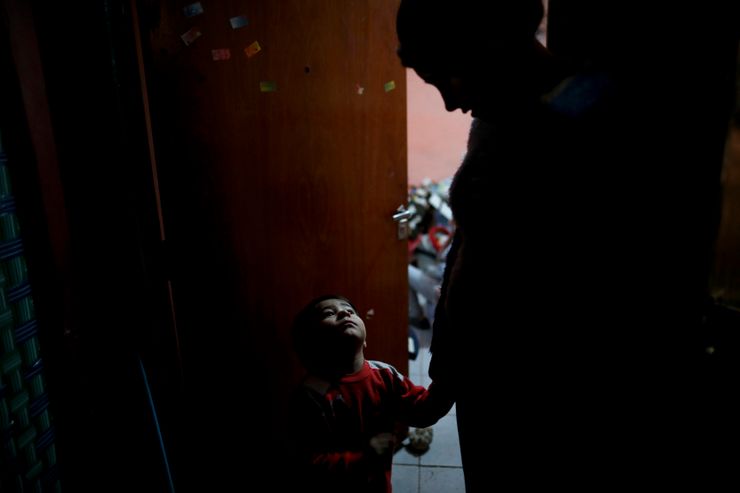
BUENOS AIRES, Argentina (AP) — As they wait out quarantine in a cramped, windowless room, Natividad Benítez brings her six children all of their meals from the soup kitchen where she earns $133 a month, barely enough to cover her rent and a few extra monthly costs.
Since the new coronavirus came to Argentina, the priest who employs her, the Rev. Juan Isasmendi, has gone from serving 350 meals a day to 7,000, feeding residents of a poor Buenos Aires neighborhood where economic activity has all but stopped due to strict anti-virus measures.
“Without his help I don’t know what would become of me,’’ she said. “It’s impossible to go looking for work in this situation of isolation.’’
The percentage of Argentines in poverty is expected to reach as high as 45% this year as the COVID-19 pandemic worsens an already grave economic crisis. The twin crises are presenting a grueling challenge to President Alberto Fernández, whose Peronist party was founded in the 1940s partly on the promise of caring for Argentina’s poor.
Even before the first case of coronavirus was diagnosed, prompting quarantines and curfews lasting more than three months, Argentina was facing 50% inflation, overwhelming debt and difficulty accessing credit in what economists call its worst crisis in almost two decades.
“Does anyone think I dreamed of an economy paralyzed by a quarantine?’’ he said recently. “I want a country that produces, that’s on its feet.’’
Several economists have cautioned that even after Fernández lifts anti-virus measures, it will be difficult to boost the economy back to the already weak pre-epidemic levels.
The World Bank foresees a 7.3% contraction in Argentina’s gross domestic product this year, one of the worst recessions in Latin America. Child poverty and deprivation among indigenous people are growing even faster, and beyond the poorest neighborhoods in Argentina’s cities.
Mirta González, who lives with her two children in a middle-class Buenos Aires neighborhood, recently traveled to a soup kitchen run by the Santa María Madre del Pueblo parish in the neighborhood where Natividad Benítez lives.
She lost her job as a house cleaner due to the impact of the coronavirus and the measures to stop it.
“I’m doing badly,’’ she said. “I can’t provide food or clothing for my children. I’m ashamed to come here, but I don’t have any other solution.”
One of the world’s biggest producers of soy, wheat and other foodstuffs is facing a hunger problem.
Social Development Minister Daniel Arroyo told The Associated Press that the number of Argentines receiving food aid since the crisis began has gone from 8 million to 11 million.
Such social benefits have been one of the trademarks of Peronism and Fernández has had to increase aid on a variety of fronts — from cash aid for food purchases to budget assistence to provinces, cities and a national network of churches and aid groups with a long record of providing aid during past crises.
Arroyo said Peronists saw the moment as one of “great responsibility and great challenge.’’
“Argentina has a history of falling and getting back on its feet,” Arroyo said.
Cristian Mosqueira, a homeless man who sleeps in a Buenos Aires plaza, said,
“I’d ask the president to help those who really need it ... one day the peope won’t be able to take it anymore.”
More News

Can Cereal Be Healthy? Big Companies Are Trying.
As more Americans turn away from the snap, crackle and sugar, the industry is trying to capitalize on our current obsession with wellness.

States Are Stepping Up as the New Antitrust Enforcers
With the Trump administration taking a relaxed approach, attorneys general around the country have ramped up their scrutiny of mergers.

The Reporter Who Exposed Elizabeth Holmes on Nathan Fielder’s Documentary
Ms. Holmes handed the makers of “You Can See Everything” — and the rest of the world — a microscope with which to observe and dissect her lies.

Corporate Tax Revenue Falls Even as Profits Soar Under Trump
The annual decline was about $70 billion. Companies are writing off billions in A.I. investments, taking advantage of tax cuts that President Trump signed into law.

It’s Time to Shop Medicare, and This Year, It’s Extra Important
Be sure to read your mail this fall — big changes to prescription drug plans and Medicare Advantage provider networks are coming, and could cost you more.

Weak Links Start to Show in A.I. Borrowing
Debt trouble at CoreWeave, Oracle and SoftBank raises questions about whether there is broader trouble with the data center build-out.

Call for more food funding due to high living cost
Deputy Louise Doublet does not think the cost of living was considered in the ending of a trial.

Charity reflects on changing needs over 25 years
Help a Guernsey Child says it has provided in excess of £1.2m worth of essential support.

Nightclubs are disappearing - and it's affecting young people
One young person said with no nightlife in their town they cannot "let loose and mess around".

M.L.B. Playoff Ads With Sydney Sweeney and Megan Fox Draw Backlash
Commercials with Sydney Sweeney promoting a gambling platform and Megan Fox endorsing male enhancement have rankled fans, and even athletes. Who is in charge?

Netflix Hurries to Rewrite Its Narrative With Layoffs and a Sudden Firing
Despite strong revenues and profits, the streaming service cut 1,000 jobs and jettisoned its chief content officer. Drops in the stock price and viewer engagement are to blame.

Why Bad News in the Bond Market May Be Good News for Investors
In the contrarian logic of investing, rising interest rates have made bonds much more attractive, our columnist says.