
Years after Lehman: Final rules set on strengthening banks
Dec 7, 2017
A global forum of banking regulators has completed a set of rules aimed at keeping bad banks from needing taxpayer bailouts and hurting the economy
FRANKFURT, Germany — A global forum of banking regulators has finished its yearslong work on rules that aim to keep weak banks from needing taxpayer bailouts and setting off financial crises like the one that led to the Great Recession.
The oversight board of the Basel Committee on Banking Supervision agreed on the last batch of rules at a meeting Thursday in Frankfurt, Germany.
A key part of the rules is a limit on how far banks should be allowed to diverge from regulators' assessments of how risky their holdings are.
European Central Bank head Mario Draghi, who heads the Basel committee's oversight board, on Thursday called the step "a major milestone ... that completes the global reform of the regulatory framework."
The Basel committee rules, dubbed Basel III, have been an ongoing international response to the 2007-2009 financial crisis that saw the bankruptcy of U.S. investment bank Lehman Brothers and taxpayer bailouts of big banks. The financial crisis was the prelude to the Great Recession, where many people lost their jobs and their homes. Governments in the United States, Europe and elsewhere were pushed to rescue banks to prevent a cutoff of credit to businesses that would further harm the economy and increase unemployment.
The idea behind the rules is create a level playing field for banks globally and prevent troubles from spreading through the financial system.
The first set of Basel III rules were published in 2010. They increased the amount of capital banks had to hold as a financial buffer, as measured against the risks they had taken by extending loans like mortgages. Such capital ratios, as they are called, have been criticized as not enough to ensure a stable financial system because bankers can find ways to get around the complex system of determining how risky their activities are.
The latest set of rules limits banks' ability to arrive at a lower assessment of their level of risk than that calculated by regulators. The new rule says the banks' estimate, using their own internal risk models, of the total pile of assets against which capital must be held must not be less than 72.5 percent of regulators' estimates. That new standard takes effect from Jan. 1, 2022.
Draghi said the limit would prevent banks from lowballing risk in their calculations, which in the past had led to "imprudently low" capital buffers.
Higher capital levels mean a more stable bank. But that prevents the use of those financial resources for risky but potentially profitable activities.
The problem was that before the financial crisis, the banks tended to take risks and keep the profits when risks paid off — and required bailouts from taxpayers when the bets led to losses.
Asked if Basel III made banks crisis-proof, Draghi answered that they would make the system more resilient but that "nothing is crisis-proof."
The new rules are "definitely an improvement," said Volker Wieland, professor at the Institute for Monetary and Financial Stability at Frankfurt's Goethe University. He said the rules "reduce the risk and severity of financial crises coming from banks."
Wieland, a former economist at the U.S. Federal Reserve, said the new system of rules "prevents the banks from calculating down the risks too much."
The regulators could not agree, however, on requiring banks to hold capital buffers against possible losses on government bonds, even though the default by Greece during the eurozone debt crisis shows that sovereign bonds are not free from risk.
The Basel Committee, based in the Swiss city of that name, includes central bankers and regulators from 26 countries plus Hong Kong and the European Union. Standards agreed by the committee must be enacted at the local level by member countries.
More News

Food aid charity under pressure from fuel costs
FareShare South West says fuel costs are putting immense pressure on work helping thousands in need.

How is the US economy really doing under President Trump?
Ahead of the midterms Trump has boasted about the performance of the US economy. BBC Verify looks at inflation, jobs and economic growth in the country.
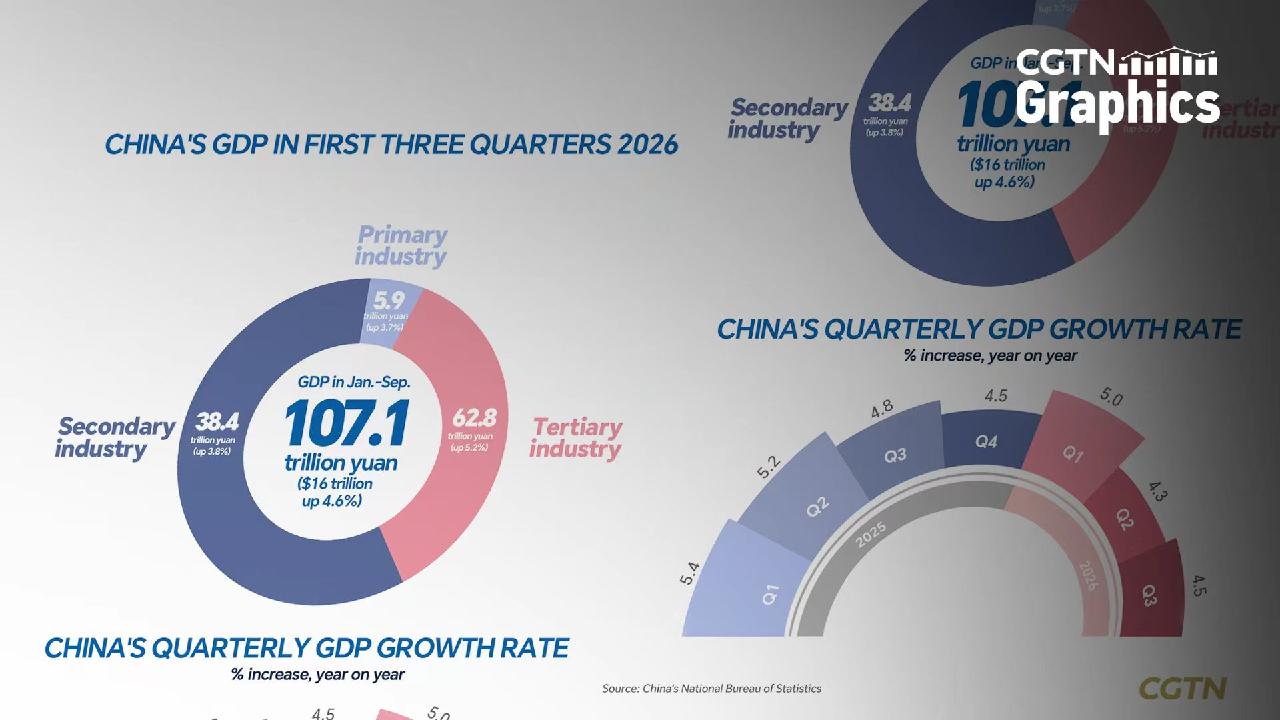
Graphics: China's economy picks up steam in Q3
Graphics: China's economy picks up steam in Q3

Chancellor rejects calls to raise Capital Gains Tax in Budget
Influential Labour figures had been pushing for equalising CGT and income tax, but critics have said this could drive wealthy people out of Britain.

The VW Bus, Now Electrified, Keeps on Truckin’
A restored version of Volkswagen’s Flower Power-era Microbus, kitted out by Kindred Motorworks, is aiming for the affluent, while VW’s own E.V. is slow to get moving, much like its forebear.

'I'm fed up of swiping': Why singles now want to meet IRL
The BBC hears from people who think dating events are better value for money than dating apps.

‘A Ticking Time Bomb’: An Economic Crisis Looms in Indonesia
Once a model of economic stability, Indonesia now faces growing hardship at home as President Prabowo Subianto’s policies shake investor confidence.

Black Unemployment Hints at a Job Market in Worse Shape Than It Seems
The Black unemployment rate climbed a percentage point to 7 percent in September, almost double the rate for white workers.

Elon Musk Says He Will Give a SpaceX Share to ‘Every Kid in America’
Anthropic, an A.I. rival to SpaceX, earlier said it would form a “public benefit fund” and other tech moguls have contributed to savings accounts for children.

Christiane Amanpour Says She Is Leaving CNN After 43 Years
The chief international anchor, one of the most famous names in broadcast news, started as an assistant at the network in 1983.

Burnham vows end to 'rip-off parking charges' under new rules
Penalties are seen as too harsh on motorists who are penalised for parking on private land.

Ex-OpenAI worker accused of planting device had Saudi support, says court filing
The Saudi government did not immediately respond to BBC requests for comment.